News

Bảng tin

“Best of Vietnam exhibition - Ao Dai Show” of Miss Cosmo 2024: Showcasing global heritage through Vietnam’s ao dai
On September 22, 2024, at the 1927 Tea Factory in Da Lat City, Lam Dong Province, the "Best Of Vietnam Exhibition - Ao Dai Show" was held. Co-organized by Miss Cosmo Organization and The Beauty Of Vietnam under UNESCO-CEP, the event provided a Vietnamese cultural experience through festival-like activities. The highlight was a fashion show featuring Miss Cosmo 2024 contestants in designer Trung Dinh's ao dai collection, along with a recreated collection of traditional Vietnamese attire from the Ỷ Vân Hiên brand.
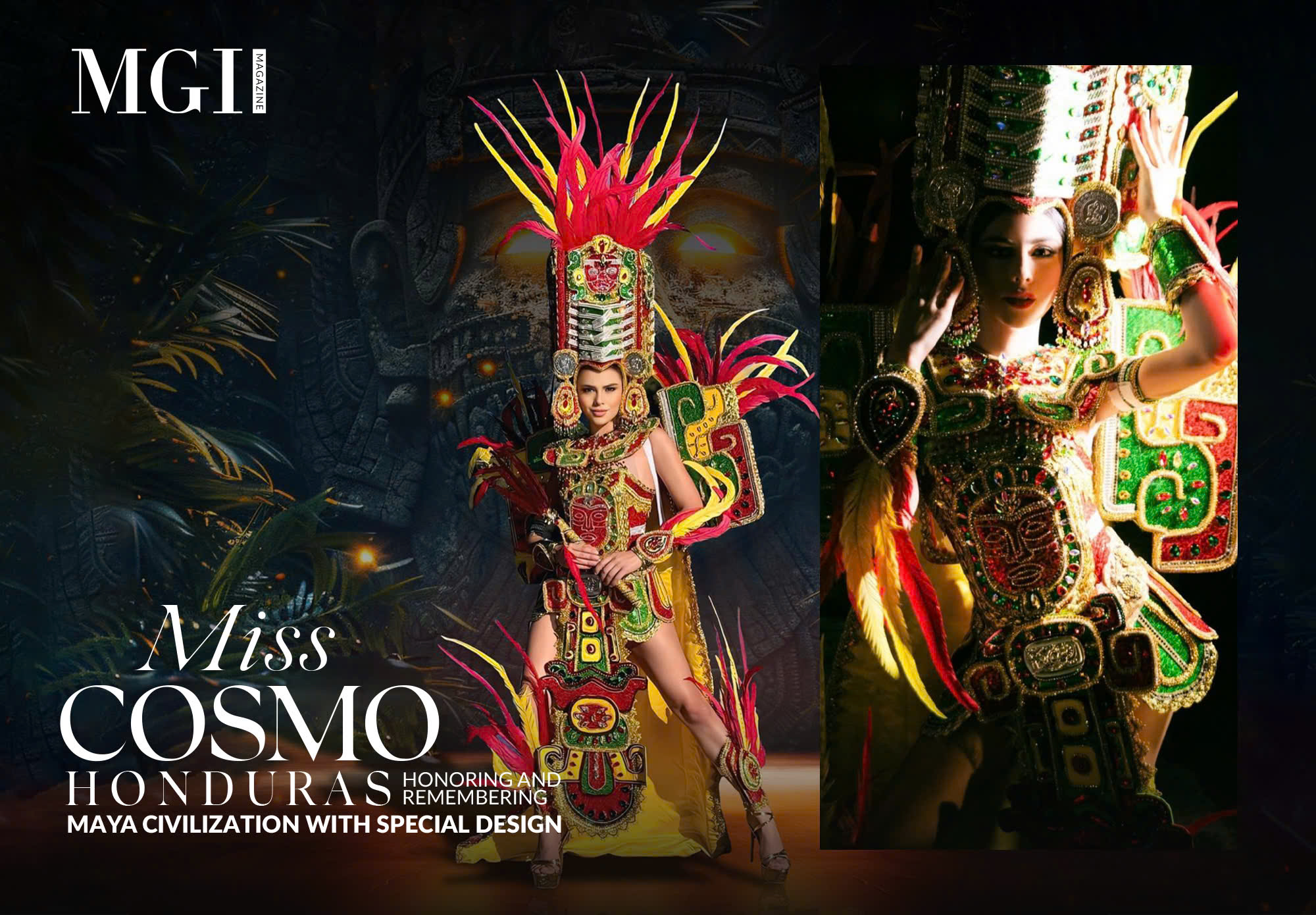
Miss Cosmo Honduras honoring and remembering Maya civilization with special design
Recently, the ethnic costume show of Miss Cosmo 2024 took place in Ninh Binh, featuring stunning performances from 56 representatives from around the world. Over 50 ethnic costumes showcased at the event created a visually dazzling feast, celebrating the unique and diverse beauty of various cultures. Themed around the spirit of festivity, this event was a gathering of distinctive cultural elements from countries worldwide and served as the first official activity of Miss Cosmo 2024, allowing contestants to express themselves to the public. The special design by designer Franklin Lopez from Miss Cosmo Honduras also made a strong impression with the profound humanitarian values behind it.
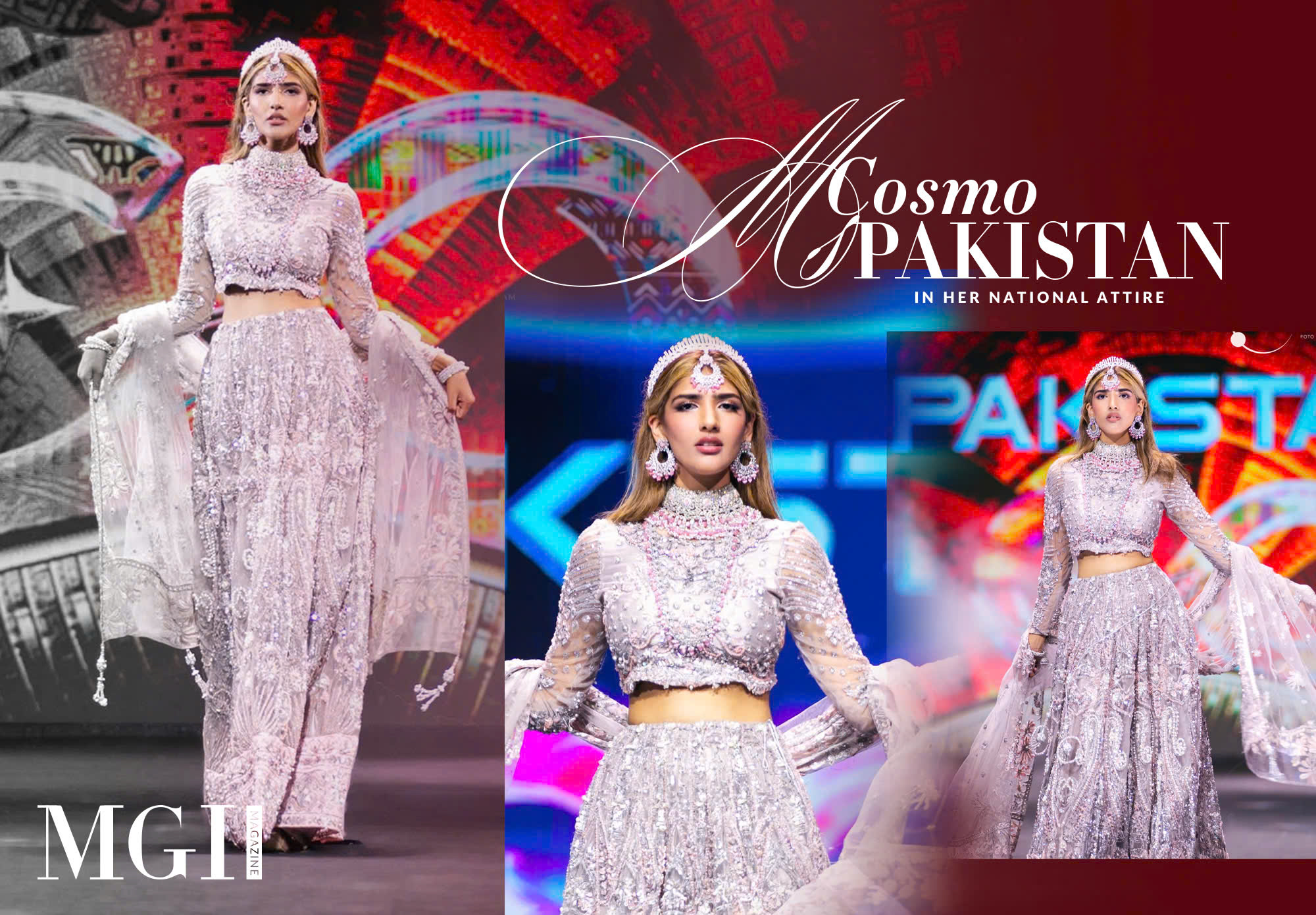
Miss Cosmo Pakistan in her national attire
Fashion is an ever-evolving field characterized by constant change, innovation, and creativity. New talents continuously emerge, bringing vibrant colors to this artistic playground. With the goal of inspiring creativity and spreading traditional beauty through ethnic attire from various countries, the recent Miss Cosmo event set the stage “on fire” with its impressive and captivating designs. During the grand show, Miss Cosmo Pakistan delivered an outstanding performance of her country's traditional costume on stage.
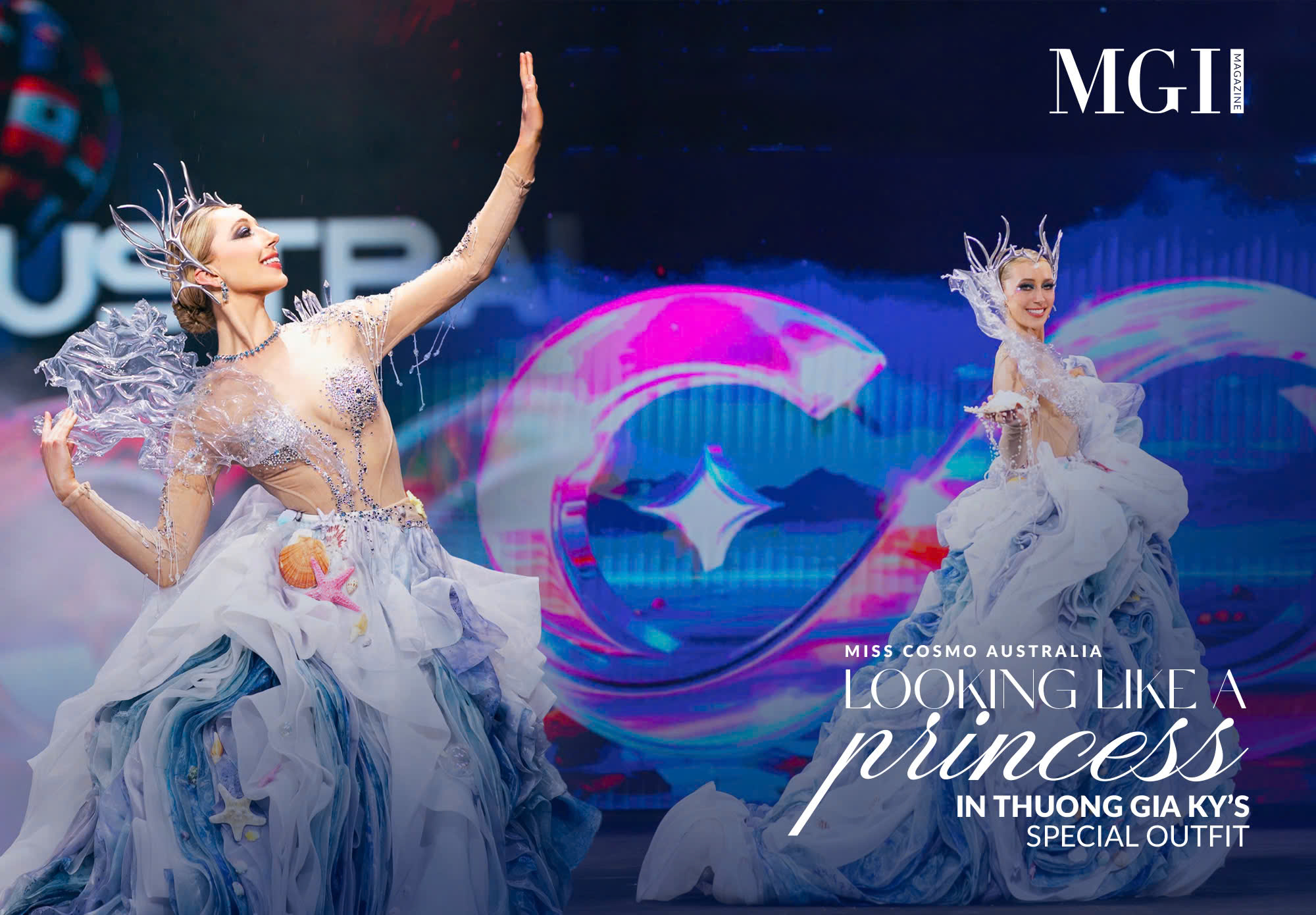
Miss Cosmo Australia looking like a princess in Thuong Gia Ky’s special outfit
As part of the activities in Ninh Binh, on September 19, 2024, the Miss Cosmo 2024 ethnic costume show took place with meticulous and professional preparation. Each representative brought a unique cultural story to life through their country's traditional attire, providing the audience with an opportunity to explore the cultures and identities of various peoples around the world. The grand investment and creativity, featuring many unique designs, surprised viewers. Miss Cosmo Australia also graced the event with a costume inspired by the vast ocean, highlighted by marine creatures embellished on her gown.
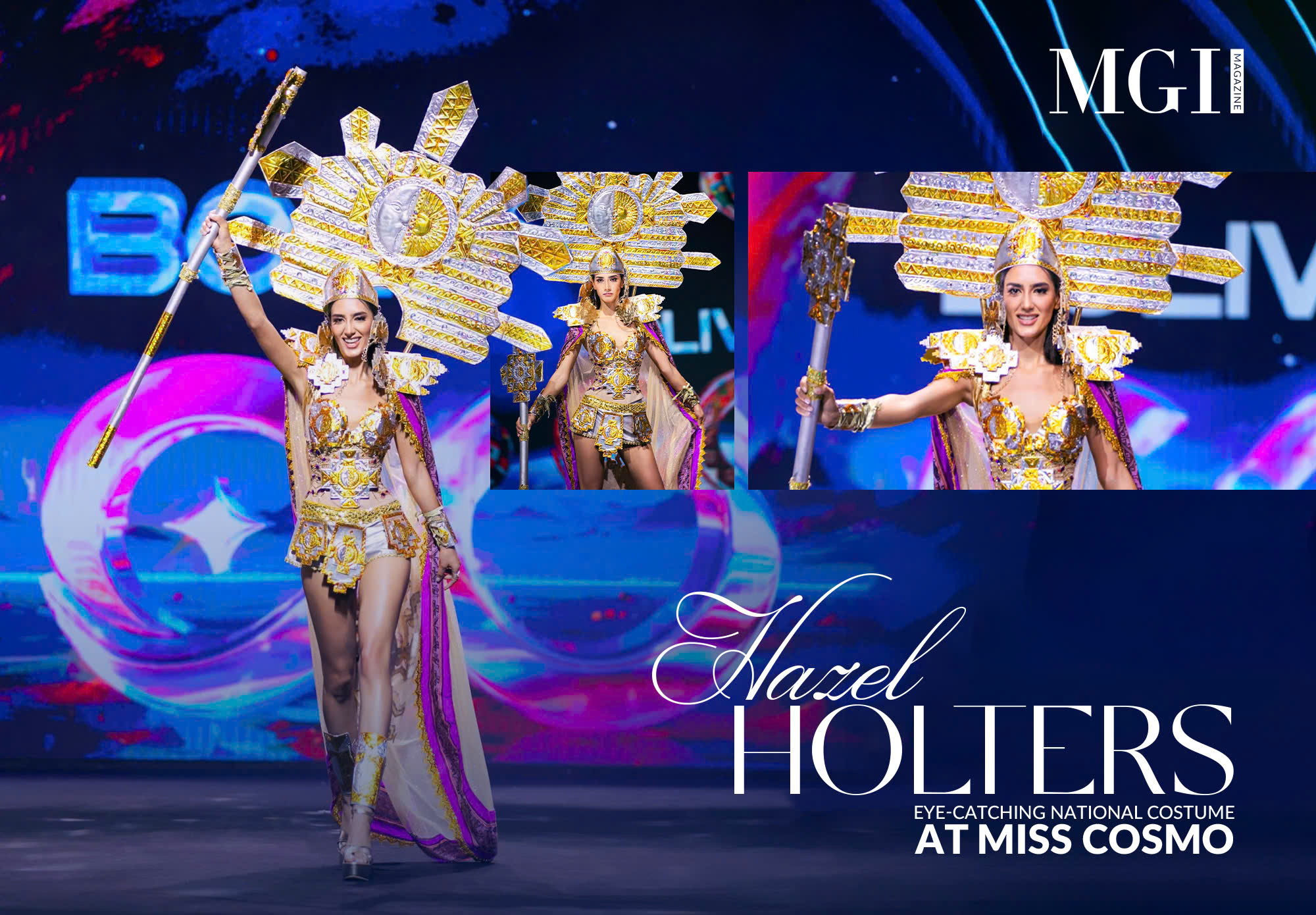
Hazel Holters’ eye-catching national costume at Miss Cosmo
Over 50 ethnic costumes in various colors, showcasing the cultural beauty of countries and territories around the world, were presented at Miss Cosmo 2024. With the aim of spreading traditional beauty while inspiring creativity among designers, the recent Miss Cosmo event demonstrated its grandeur and professional scale. Representatives from each country brought a cultural story to life through meticulously crafted ethnic costumes, reflecting their unique identities. Among them, the striking appearance of Hazel Holters - Miss Cosmo Bolivia - wearing an outfit representing Inca culture was one of the most visually stunning performances for the audience.
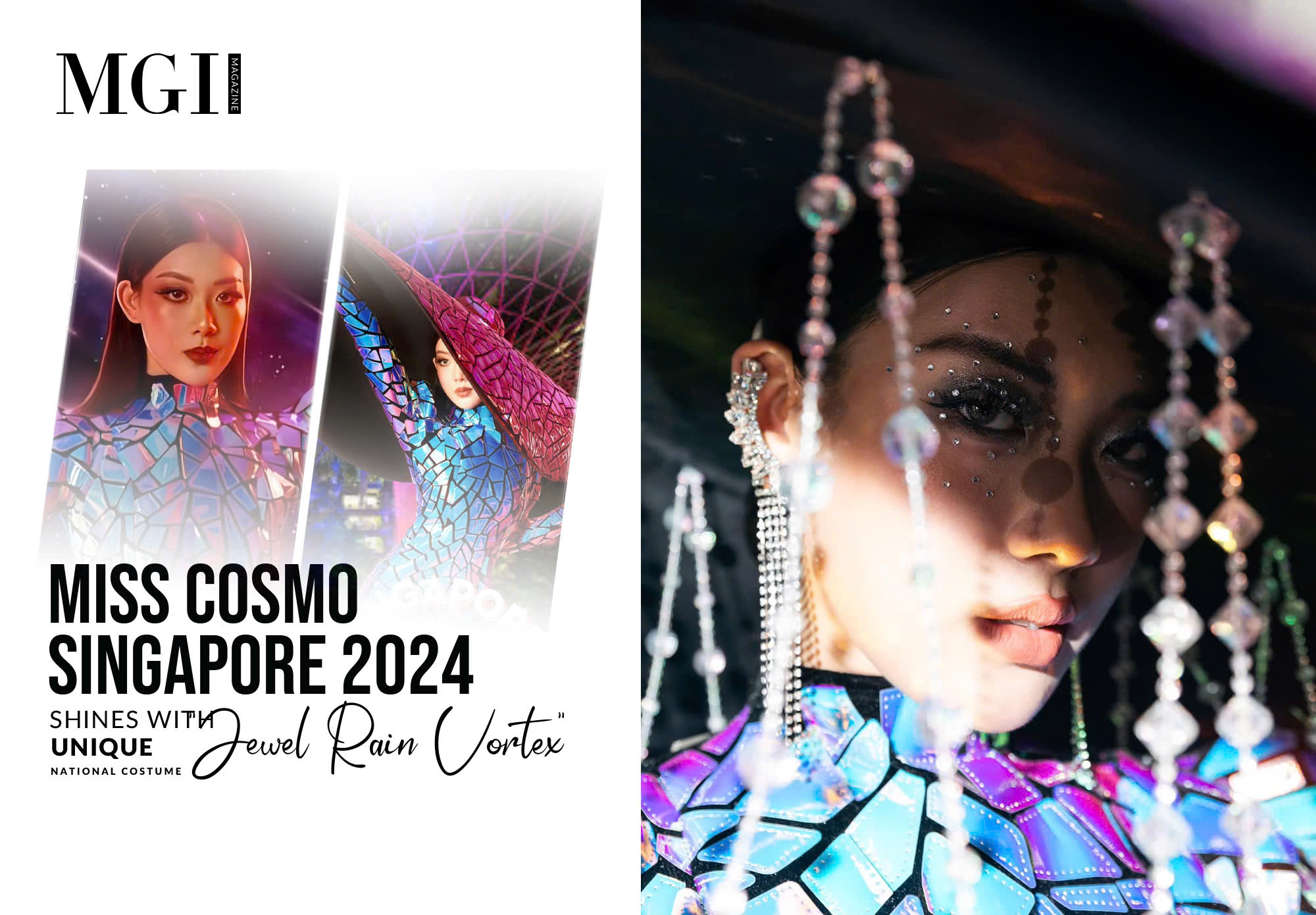
Miss Cosmo Singapore 2024 shines with unique "Jewel Rain Vortex" national costume
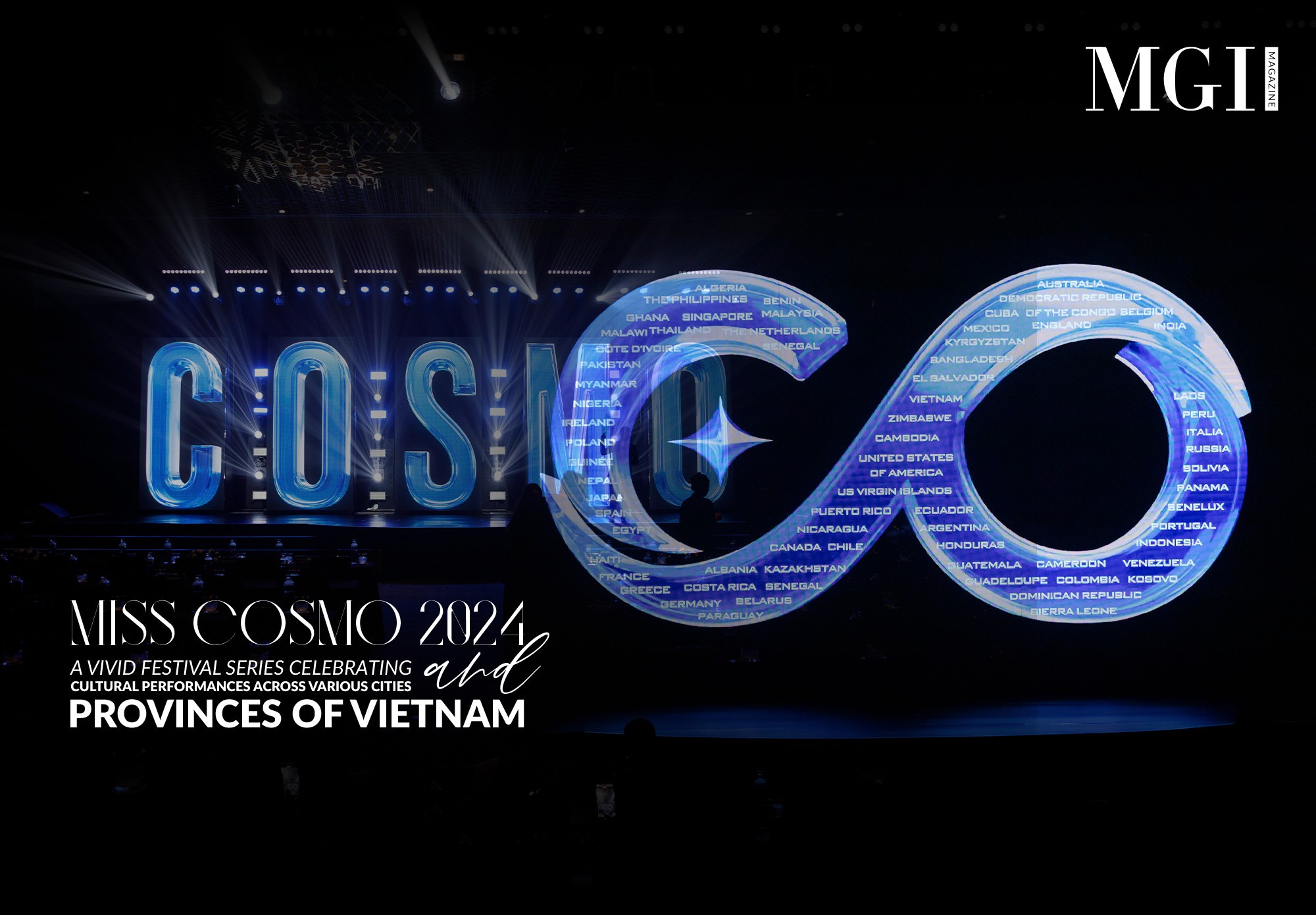
Miss Cosmo 2024 features a vibrant festival series, rich in cultural and festive performances, making waves across many provinces and cities in Vietnam. With the participation of beauty queens from over 60 countries and territories around the world, Miss Cosmo 2024 promises to be one of the most explosive cultural and artistic events, attracting the attention and support of both domestic and international fans and media. Notably, the "National Costume" competition held in Ninh Binh recently presented a world-class fashion and cultural showcase, drawing the attention of global beauty enthusiasts. On that magnificent stage, Miss Cosmo Singapore 2024, Jade Jiahui Wu, delivered an outstanding performance in a unique outfit named Jewel Rain Vortex.
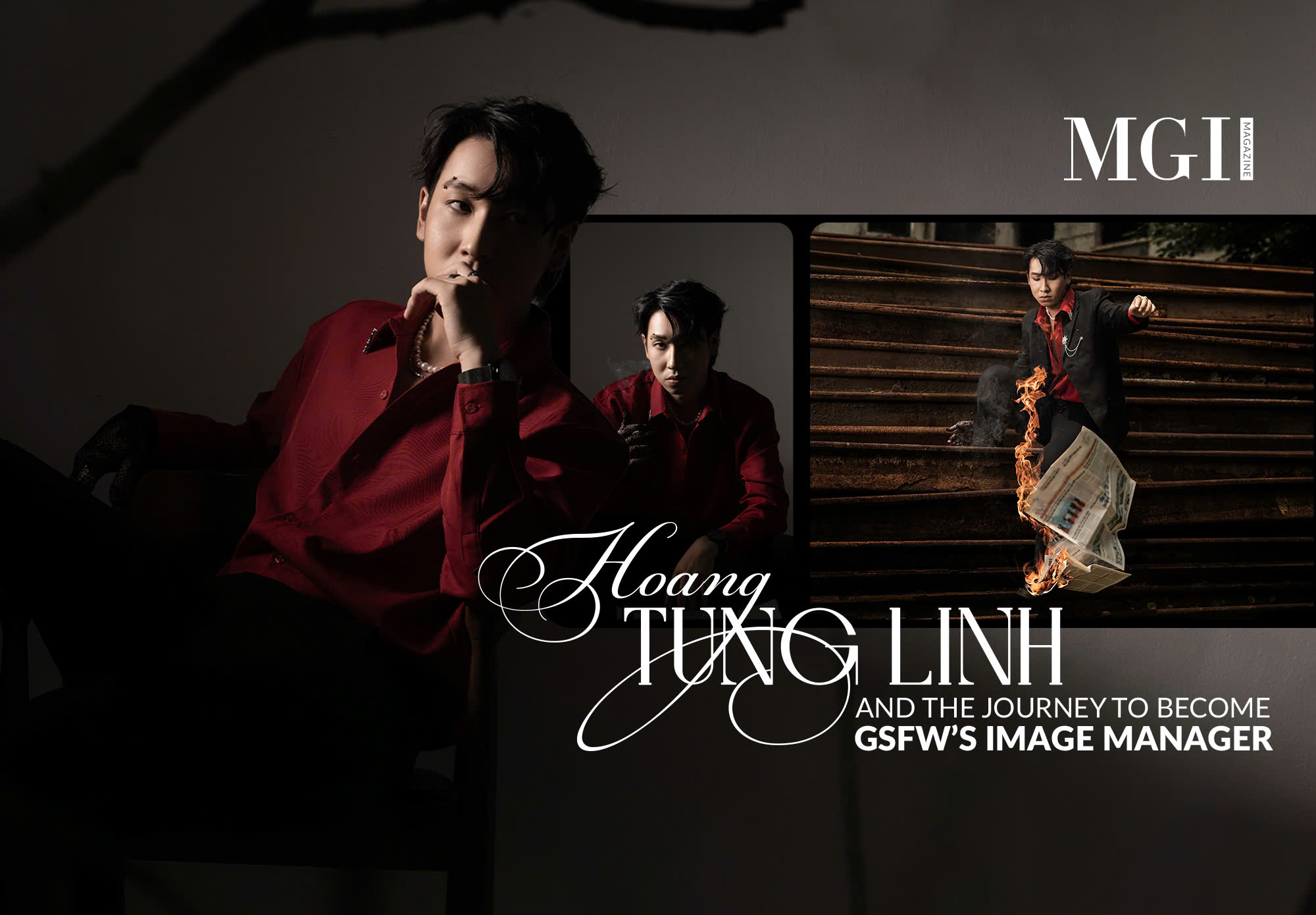
Hoang Tung Linh and the journey to become Global Student Fashion Week’s image manager
Hoang Tung Linh is currently a highly sought-after name for his high-quality and international-level visual products. From his burning passion to arts and especially passion, Tung Linh has been constantly pursuing his dreams through domestic and international fashion stages. Throughout a journey of constantly reaching out, Tung Linh is currently holding the position of image manager at Global Student Fashion Week - one of the globe’s 10 most influential fashion weeks.
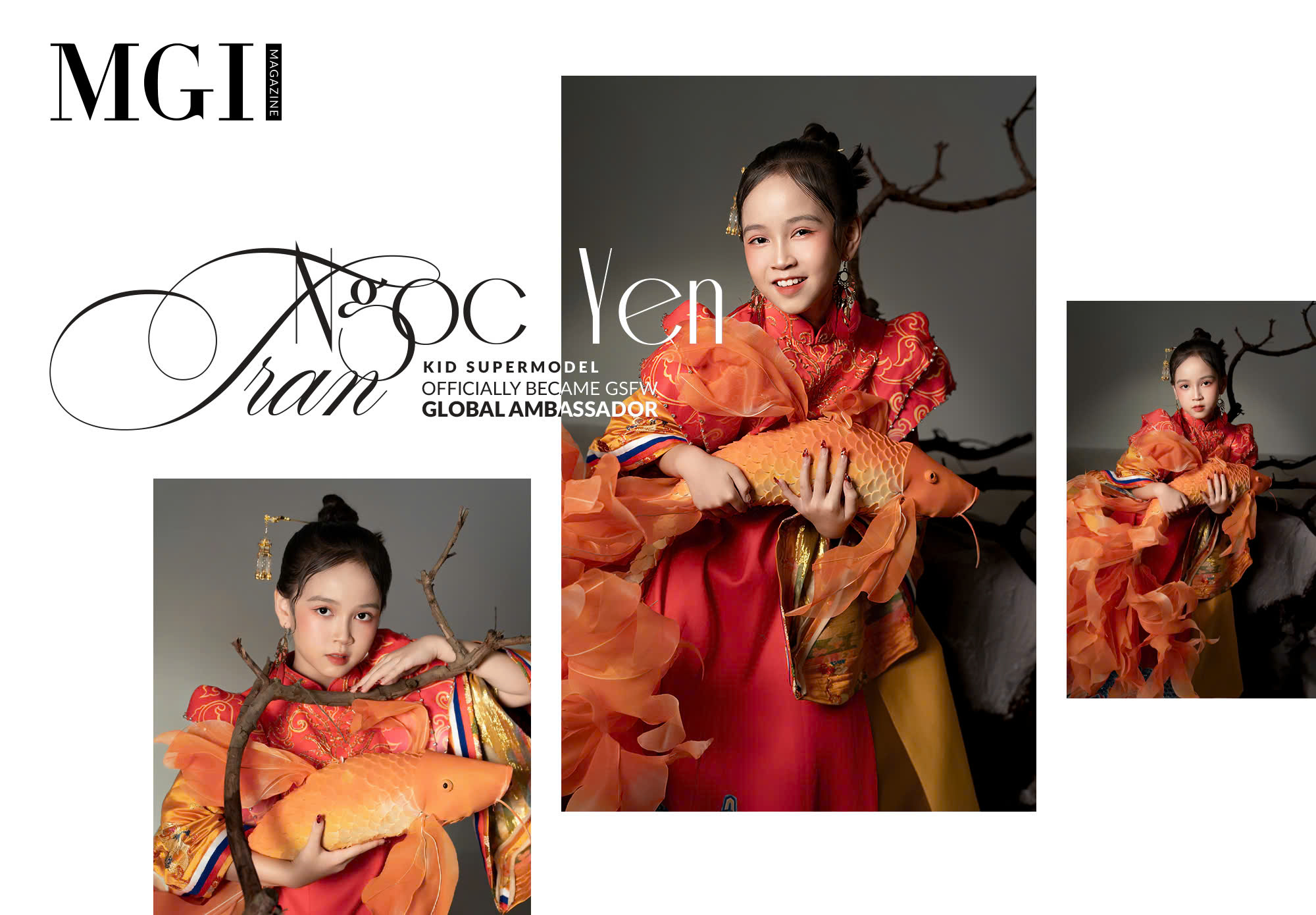
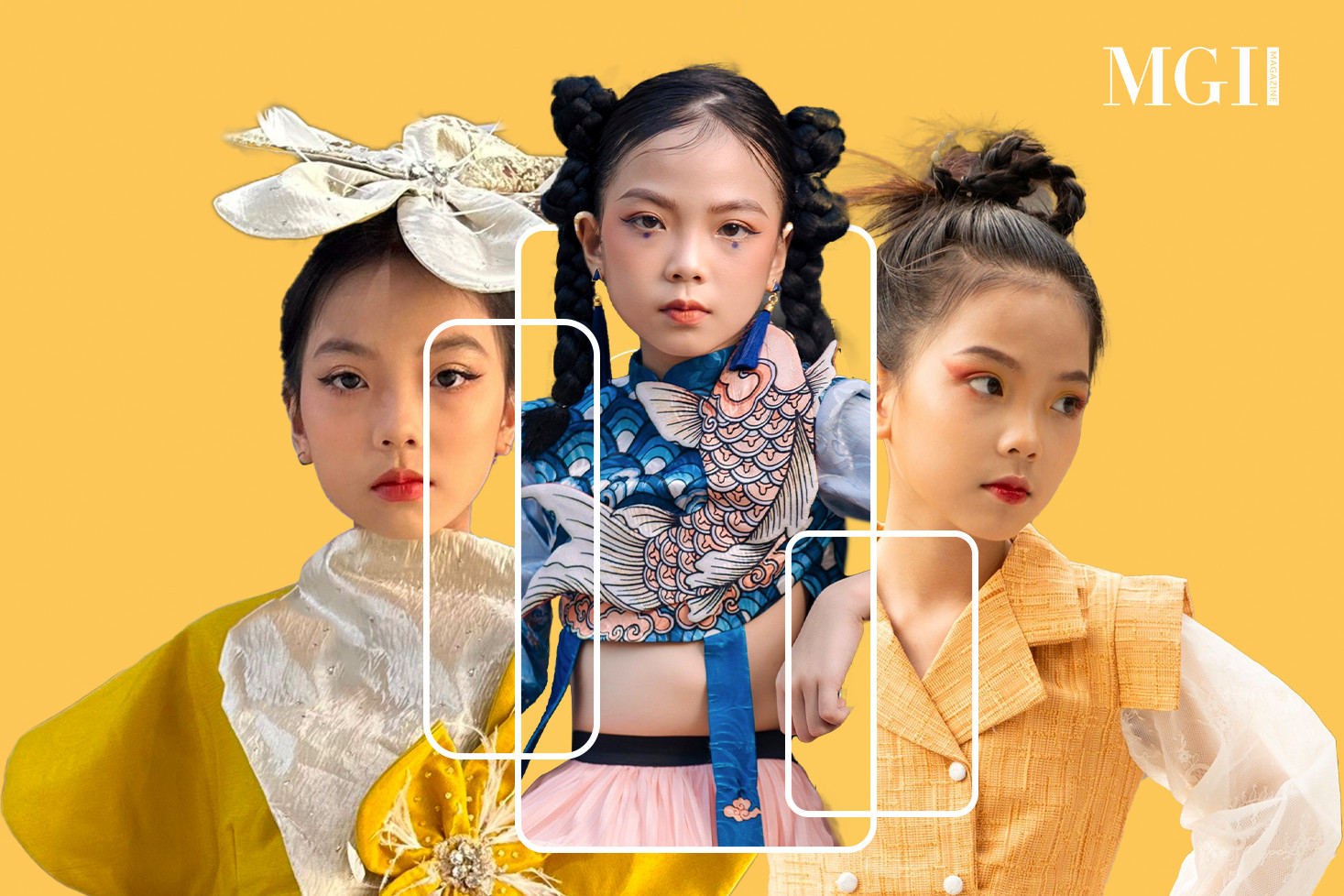
Kid supermodel Tran Ngoc Yen officially became GSFW Global Ambassador
The first season of Global Student Fashion Week in 2025 will take place in 7 days, gathering 150 designers from 30 fashion schools worldwide. In addition, the event will have the participation of 999 beauty kings and queens as Global Ambassadors. Notably, the appearance of the Global Ambassador Juniors will assist designers in conveying the meanings behind their collections. Recently, the organizers officially announced that the next face to join is child supermodel Tran Ngoc Yen.
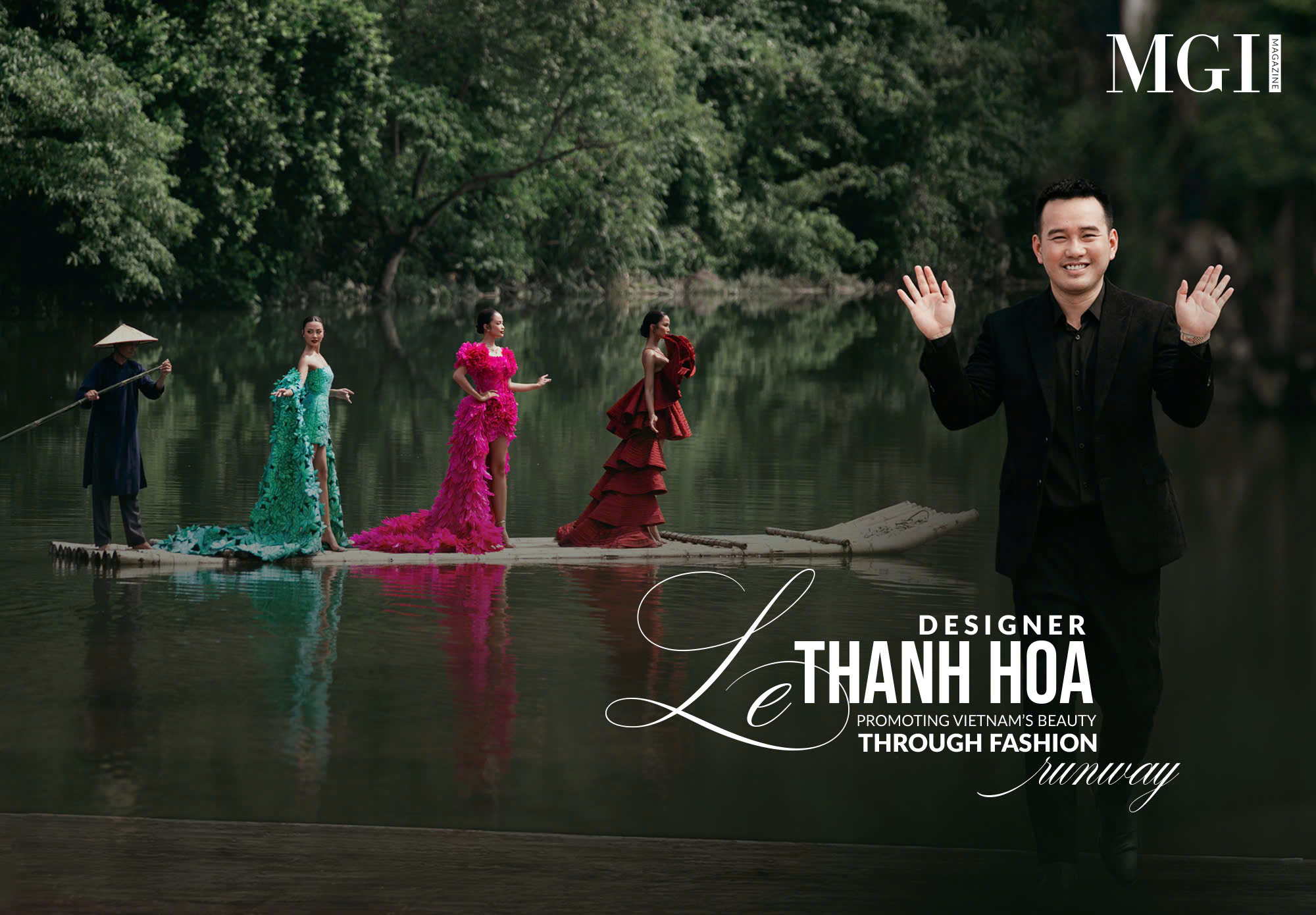
Designer Le Thanh Hoa promoting Vietnam’s beauty through fashion runway
After a stunning National Costume competition, on the afternoon of September 20th, 2024, Miss Cosmo 2024 contestants continued their journey by participating in the “Hello Cosmo From Vietnam” Fashion Show, held at Khe Coc, within the Trang An Scenic Landscape Complex, Ninh Binh. Designer Le Thanh Hoa's collection contributed to promoting the Vietnamese nature, people and culture to international friend.
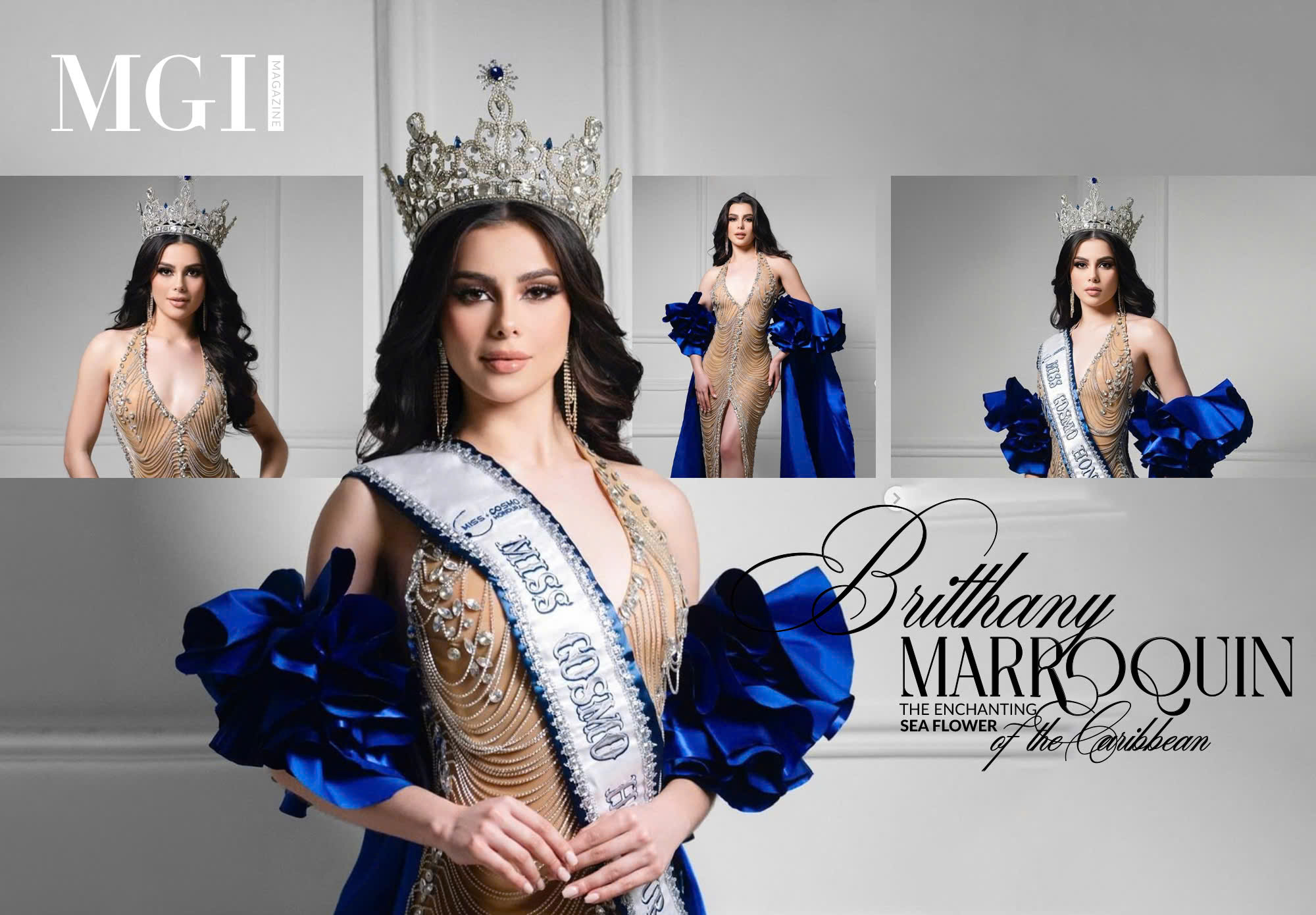
Britthany Marroquin - “The enchanting sea flower of the Caribbean”
Miss Cosmo 2024 - an esteemed platform for international beauty - is currently heating up the atmosphere in Vietnam with a series of remarkable cultural and artistic events. Featuring a host of beauty queens from over 60 countries and territories, including Miss Cosmo Honduras 2024, Britthany Marroquin, the competition promises to be one of the most explosive cultural and artistic events of the year.