News

Bảng tin
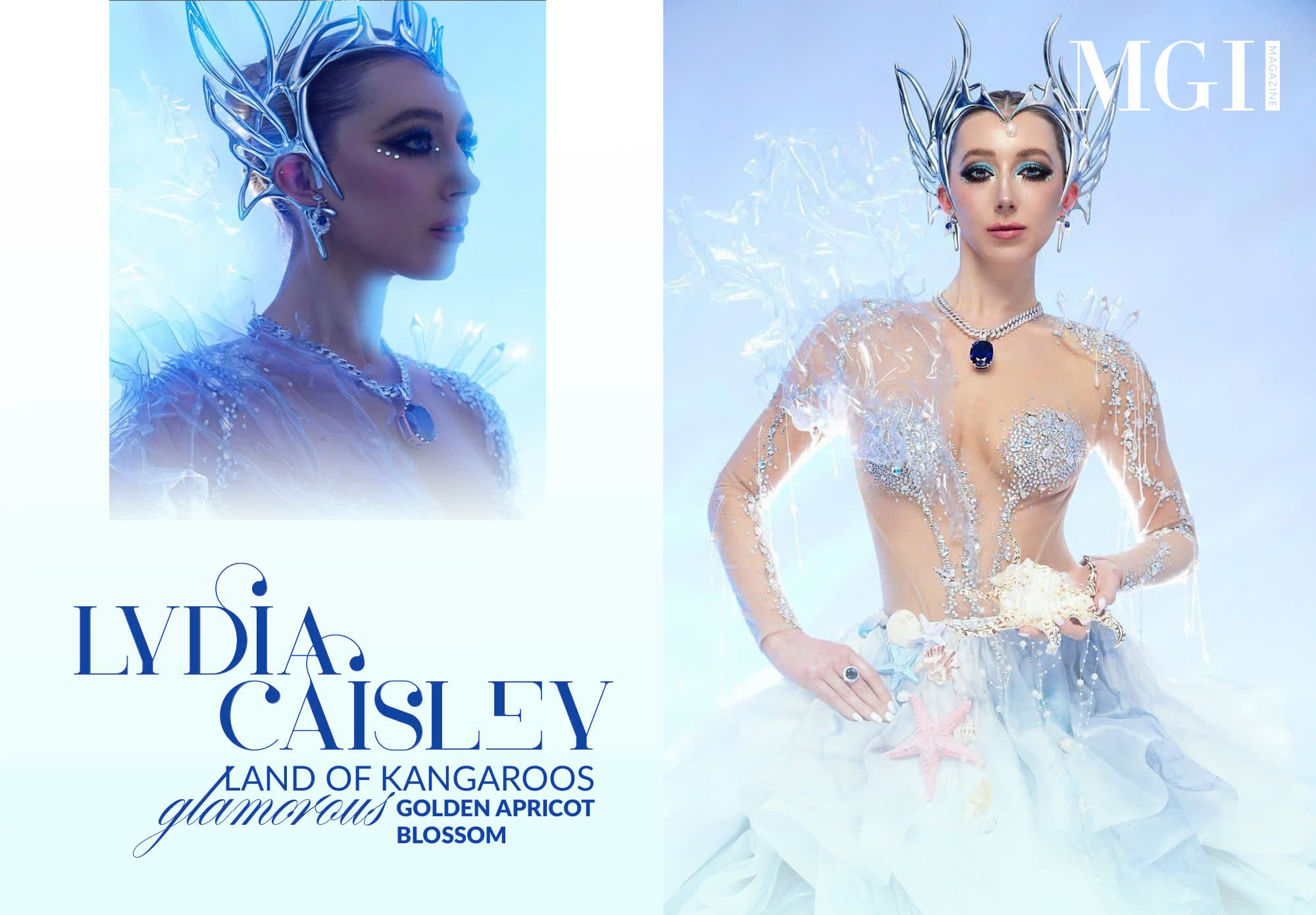
Lydia Caisley - “Land of Kangaroos’ glamorous golden apricot blossom”
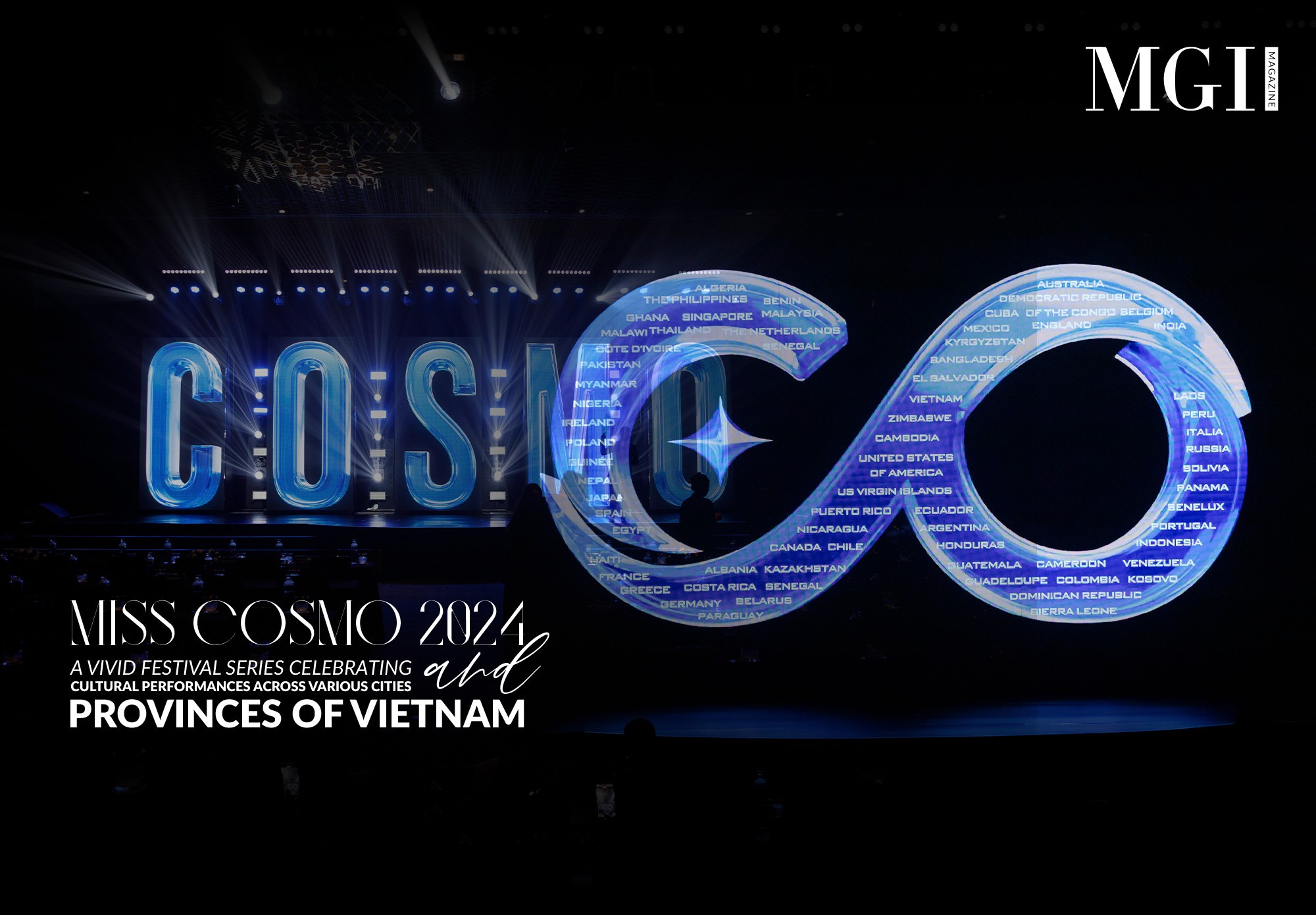
Miss Cosmo 2024 is one of the most prominent beauty pageants in the world, currently heating up the atmosphere in many provinces and cities in Vietnam with a vibrant series of festivals rich in cultural and festive performances. With the participation of Miss Cosmo Australia 2024, Lydia Caisley, along with beauty queens from over 60 countries and territories worldwide, Miss Cosmo 2024 promises to be one of the most explosive cultural and artistic events, attracting attention and support from both domestic and international fans and media.

Anniqa Jamal Iqbal - “Stunning beauty in Earthly paradise”
Miss Cosmo 2024 is one of the most prominent beauty pageants in the world, currently heating up the atmosphere in many provinces and cities in Vietnam with a vibrant series of festivals rich in cultural and festive performances. With the participation of Miss Cosmo Pakistan 2024, Anniqa Jamal Iqbal, along with beauty queens from over 60 countries and territories worldwide, Miss Cosmo 2024 promises to be one of the most explosive cultural and artistic events, attracting attention and support from both domestic and international fans and media.
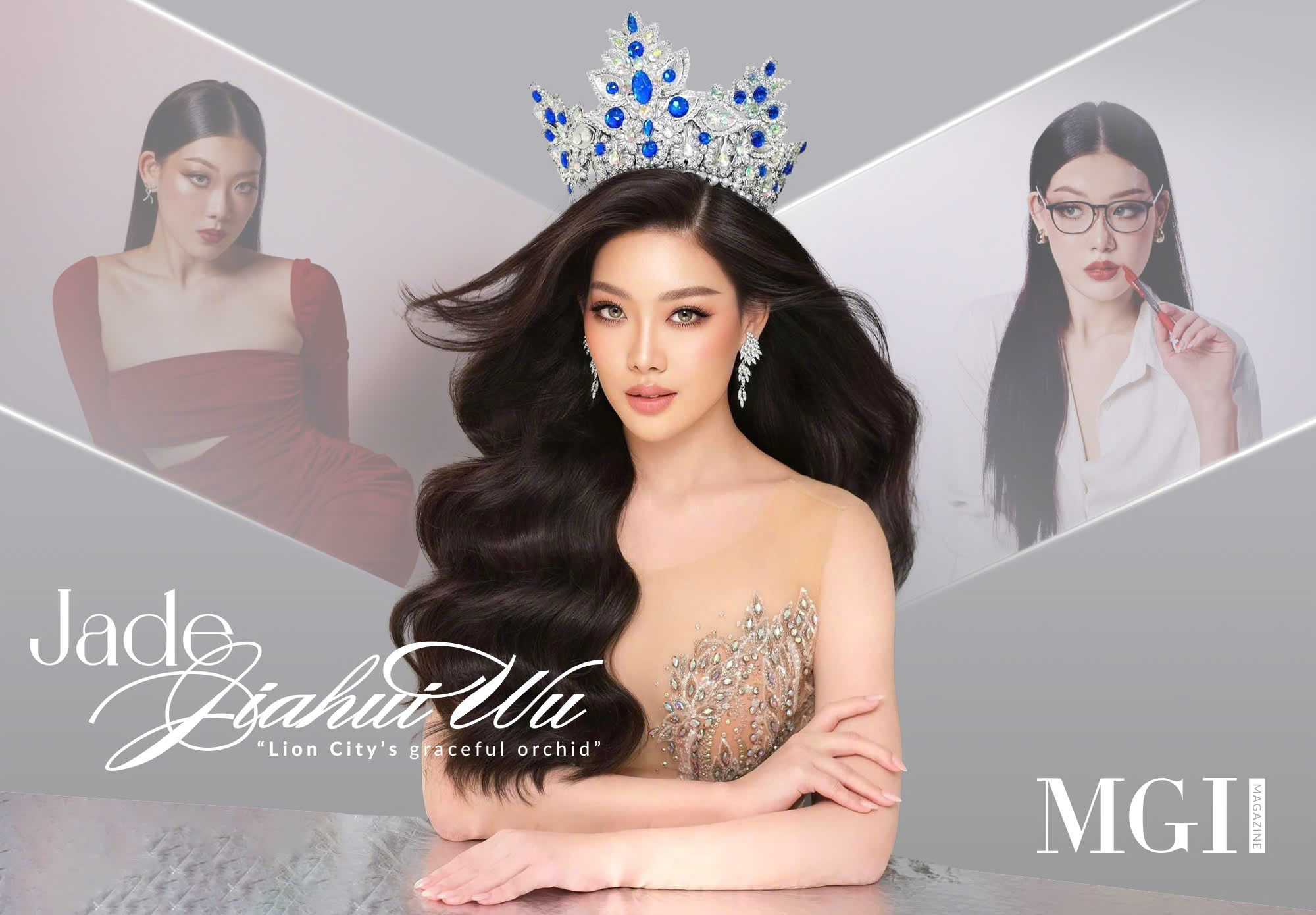
Jade Jiahui Wu - “Lion City’s graceful orchid”
Miss Cosmo 2024 features a vibrant festival series, rich in cultural and festive performances, that is making waves across many provinces and cities in Vietnam. Among them, Ninh Binh has been chosen as the host for two main activities within the competition: "National Costume" and "Hello Cosmo Fashion Show". With the participation of Miss Cosmo Singapore 2024 Jade Jiahui Wu and beauty queens from over 60 countries and territories around the world, Miss Cosmo 2024 promises to be one of the most explosive cultural and artistic events, attracting the attention and support of both domestic and international fans and media.

Miss Earth Cuba 2024 Stephany Diaz - “Precious gem at the Caribbean paradise”
Miss Earth is known as one of the most prestigious beauty pageants in the world, organized by the Philippines' Carousel Productions. With decades of strong presence and active engagement, the Miss Earth stage consistently garners public attention and has become an ideal destination for many beauties worldwide. Participating in Miss Earth 2024, from a Caribbean island in Central America, Cuban beauties promise to bring a “fresh breeze” to the stage, leaving an impression with their distinctive yet equally captivating beauty. With outstanding talent and unique charm, the stunning Stephany Diaz has been honored as the winner of the competition and will represent her country at Miss Earth 2024, which will be held in the Philippines soon.
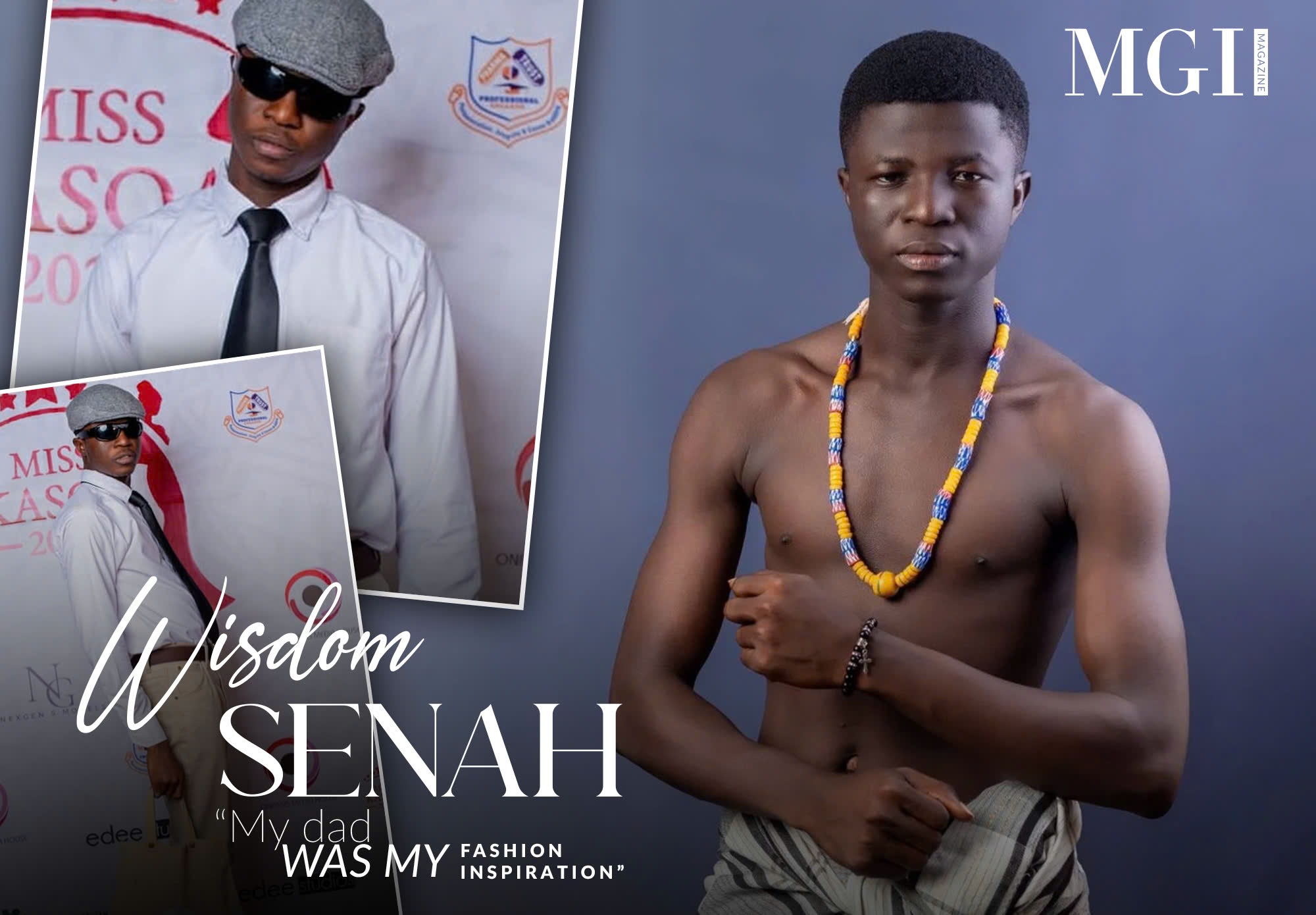
Wisdom Senah: “My dad was my fashion inspiration”
Fashion is always a field of constant change, innovation, and creativity. New talents continuously emerge, bringing diverse new perspectives to this creative art arena. This is also why Global Student Fashion Week was established as a way to support young designers in pursuing their passions. As the world’s first platform dedicated to educational institutions in the fashion field, GSFW aims to create a new era with a focus on students. Additionally, with the participation of Global Ambassadors, the week promises exciting things to come. The next name announced in this list is Wisdom Senah - Mister Tourism Ghana 2024.
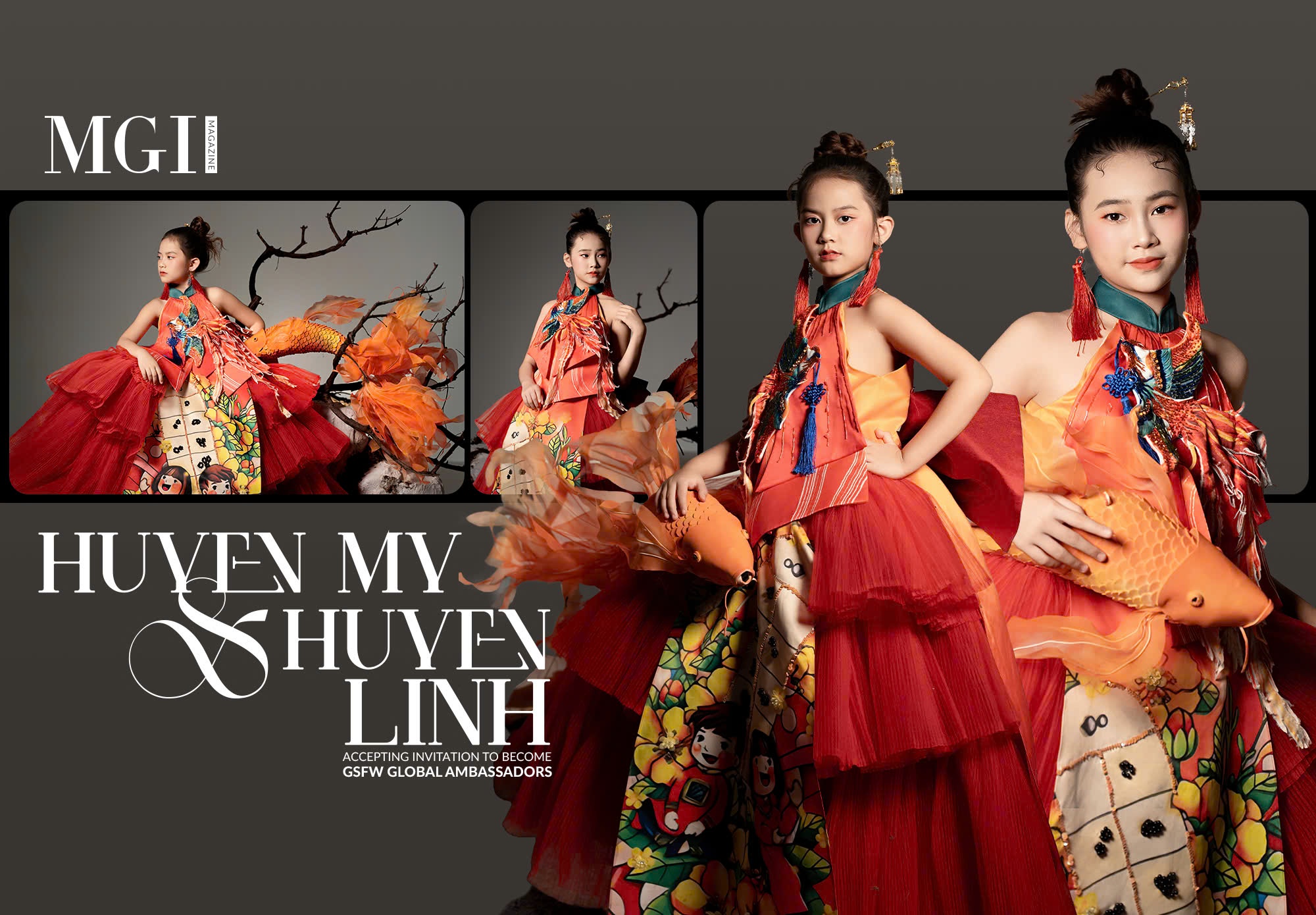
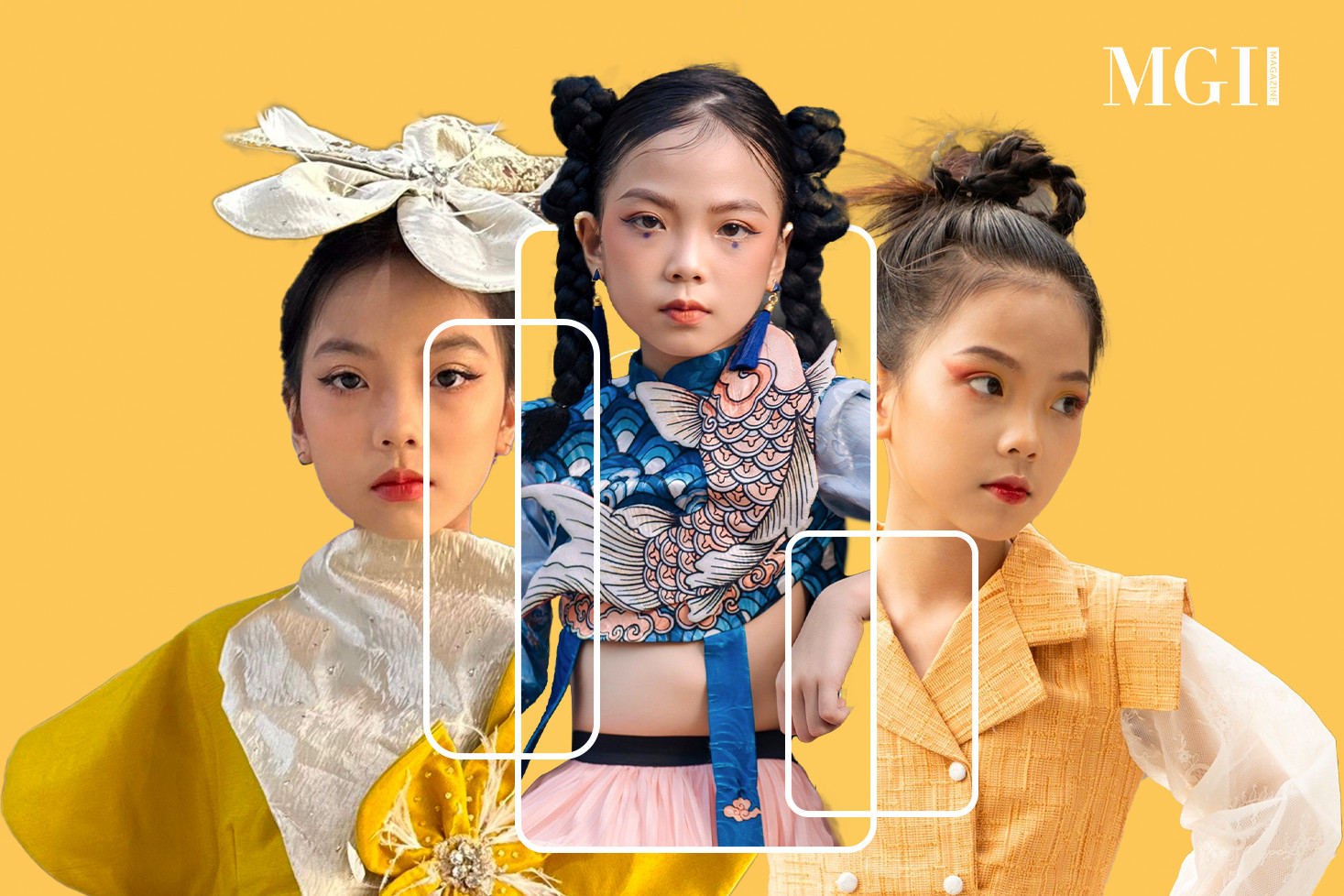
Huyen My, Huyen Linh accepting an invitation to become GSFW Global Ambassador Juniors
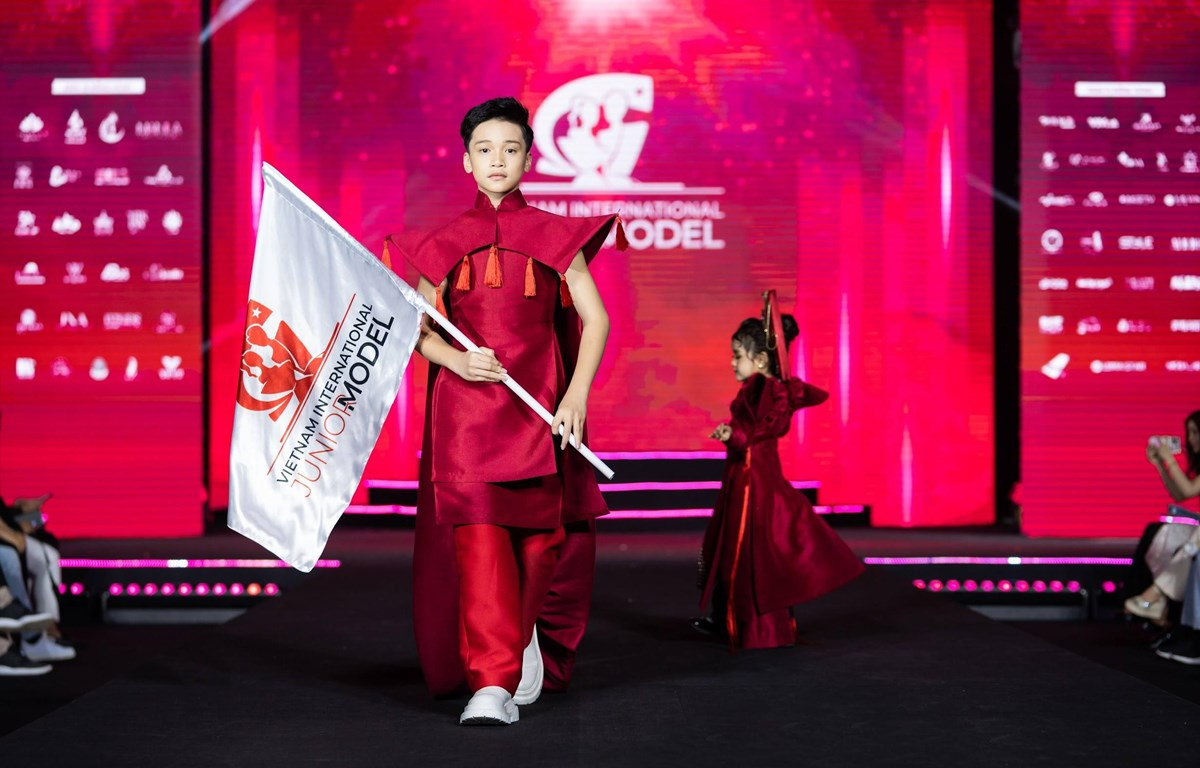
Global Student Fashion Week (GSFW) is the world's first fashion week dedicated to educational institutions in the fashion field, with a student-centered focus. With the mission of creating a new era for the global fashion industry, the first season of Global Student Fashion Week in 2025 will take place over 7 days, gathering 150 designers from 30 educational institutions worldwide. In addition to designs for adult models, special collections for junior models will also be showcased at this prestigious fashion week. Therefore, the Global Ambassador Juniors will play an essential role, alongside beauty queens and kings, including two junior models, Huyen My and Huyen Linh.
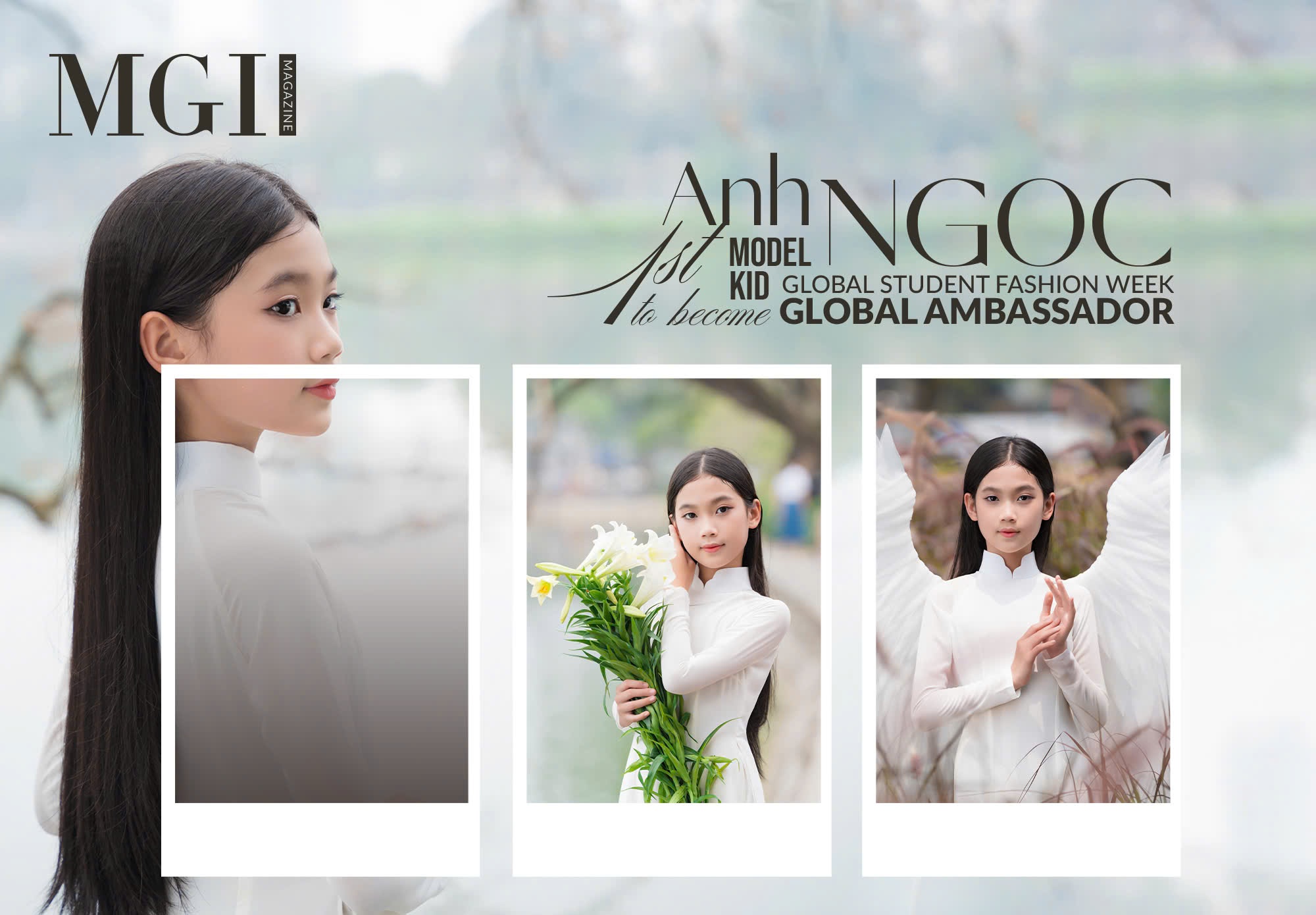
Anh Ngoc - The first model kid to become Global Student Fashion Week Global Ambassador
Recognizing the need for professional platforms and runways, especially the emergence of a fashion week dedicated to students, where future designers of the world can showcase and affirm themselves, with the desire to contribute to the global fashion industry's development, Director Le Tran Dac Ngoc conceived and launched the Global Student Fashion Week project. Accompanying the week is the “999 Global Ambassadors” project, featuring beauty queens and kings. Furthermore, this project also welcomes the participation of many multi-talented junior models. Kicking off the prestigious Global Ambassador Junior position is the young model Nguyen Anh Ngoc.

Mr Universe 2024 finale - Affirming talent, conquering new heights
Mr Universe - the most prestigious beauty contest for men worldwide, aimed at finding a man who embodies courage, knowledge, and the ability to inspire in order to spread the competition's message of education - has returned for its third thrilling season in India. The contest gathered the most outstanding men on the planet, delivering top-tier performances, especially during the final night on August 25th.

Jonathan Berry - Australian representative conquering Mr Universe 2024
Mr Universe - the most prestigious beauty pageant for men worldwide, aimed at finding a man with courage, knowledge, and the ability to inspire and spread the competition's educational message - has returned for its thrilling third season in India. The competition gathers the most outstanding handsome men from around the globe, promising to deliver top-tier contests. Among them is Jonathan Berry, the charming and talented young man from Australia with a handsome appearance and elegant demeanor.

Look Concept - A journey of innovating designs and elevating creations
Have you ever attended music or fashion events and wondered why a stage can be so grand? The success of an event heavily depends on the investment in designing and building a professional stage. Look Concept is a stage design company that can turn your event into an unforgettable moment. In the near future, Global Student Fashion Week will collaborate with Look Concept to create the most spectacular and impressive stage in 2025.