News
Bảng tin
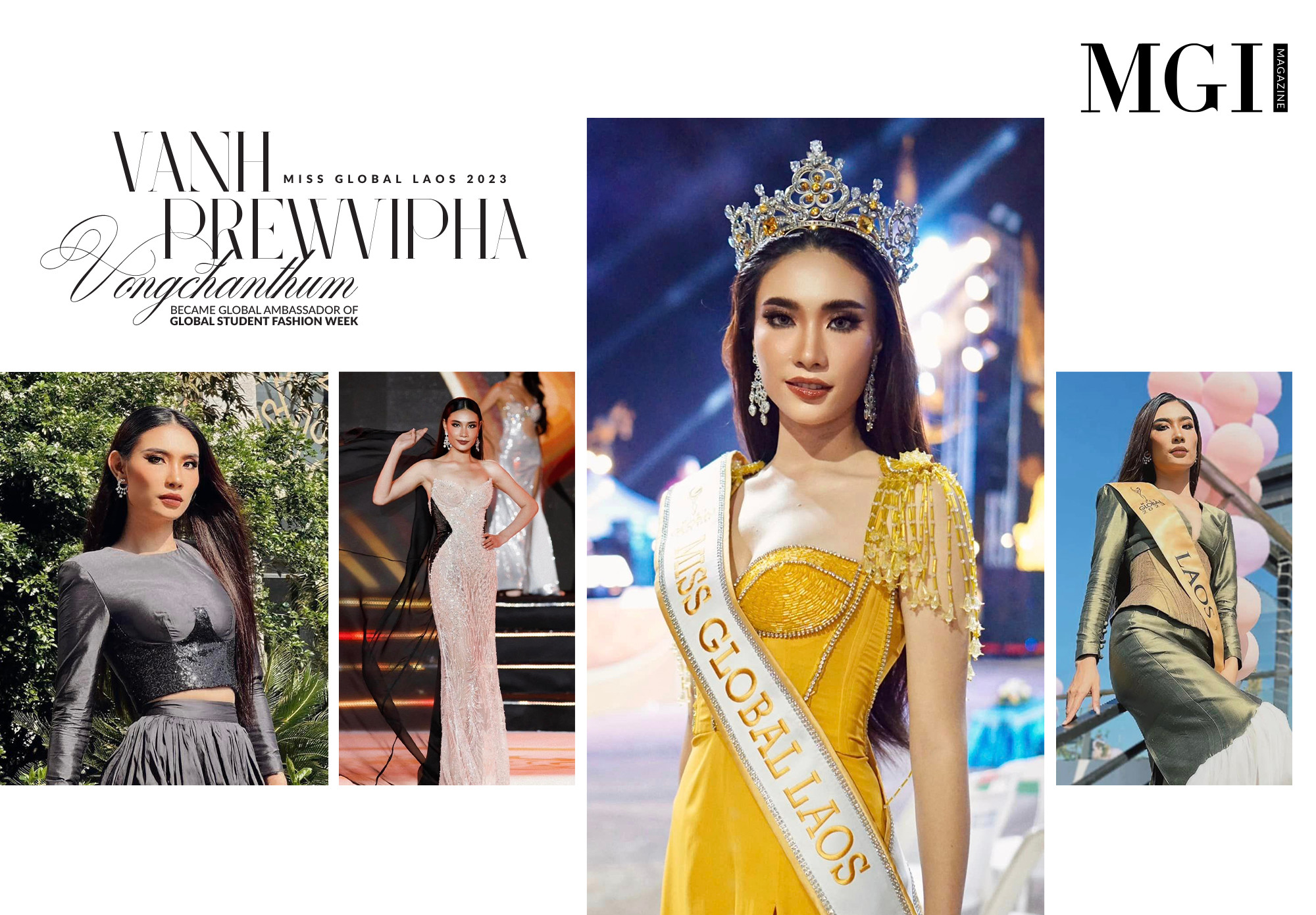
Miss Global Laos 2023 - Vanh Prewvipha Vongchanthum became Global Ambassador of Global Student Fashion Week
Bringing together 150 talented designers from 30 prestigious schools around the world, Global Student Fashion Week promises to be a special stage for unique and inspiring fashion creations. Furthermore, the event also marks the presence of 999 Global Ambassadors - beauty queens, kings and influential people around the world, fully converging the quintessence of both beauty and intelligence. Contributing to that prestigious list is Miss Global Laos 2023 - Vanh Prewvipha Vongchanthum.
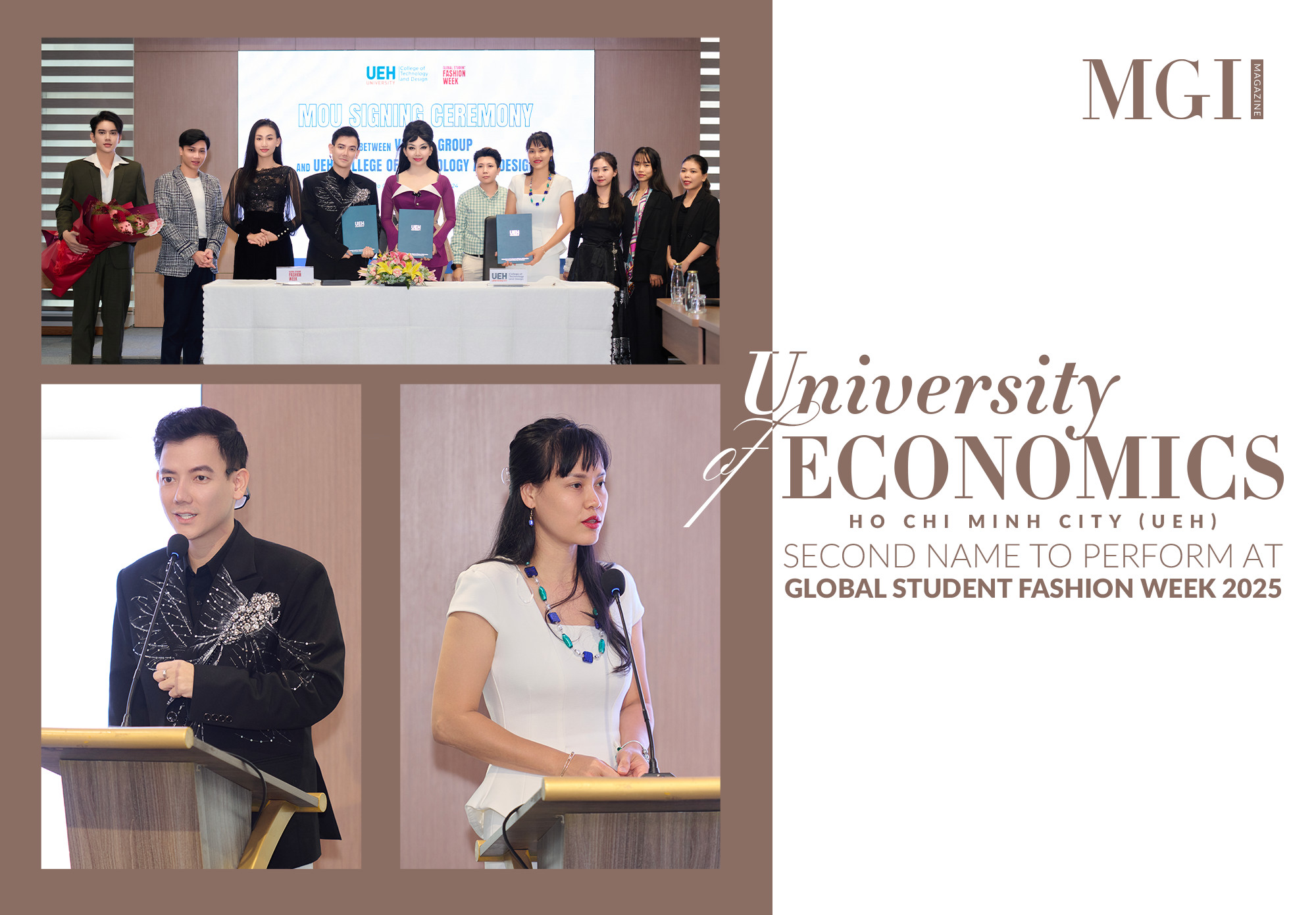
University of Economics Ho Chi Minh City (UEH) - second name to perform at Global Student Fashion Week 2025
Unleashing talented young designers’ creativity, opening up a large playing field for students to be freely creative, that is the motto of Global Student Fashion Week. “Everyone starts somewhere”, understanding this, Global Student Fashion Week was officially released with the hope to become a “starting point” in youngsters’ passion of conquering fashion. Among the 30 institutes to perform in this year’s event is University of Economics Ho Chi Minh City (UEH) - the cradle where talented economists and stylists are born.
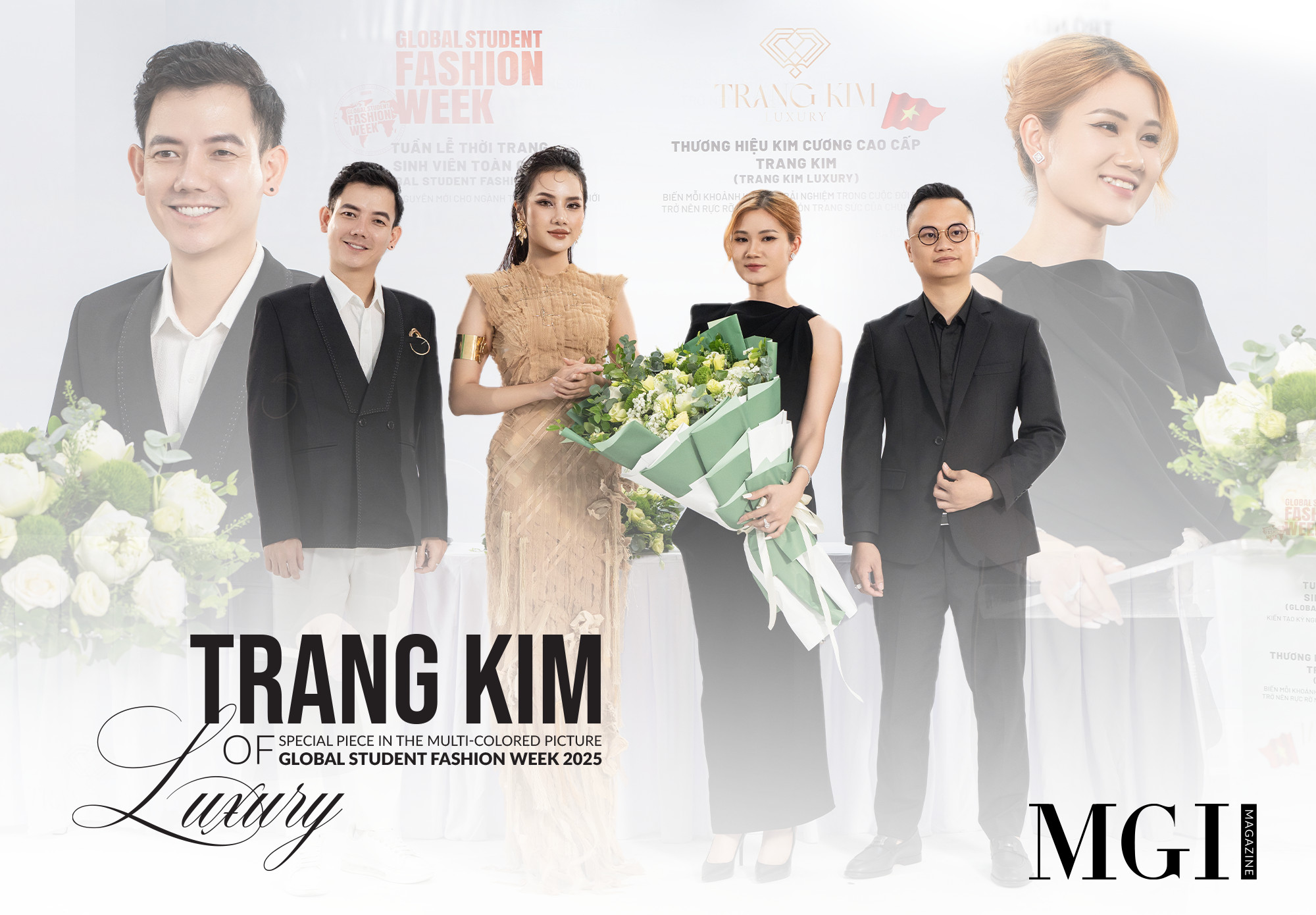
Trang Kim Luxury - Special piece in the multi-colored picture of Global Student Fashion Week 2025
Global Student Fashion Week 2025 - a fashion week dedicated to global students, promises to explode with impressive performances and be a launching pad for young designers to shine. In particular, the event is honored to welcome Trang Kim Luxury - a high-end diamond jewelry brand - to become their Sponsor, directly crafting unique symbols for 999 Global Ambassadors - famous beauty kings and queens. The appearance of Trang Kim Luxury will accompany the journey of honoring beauty and contribute to raising the level of class for this year's fashion week.
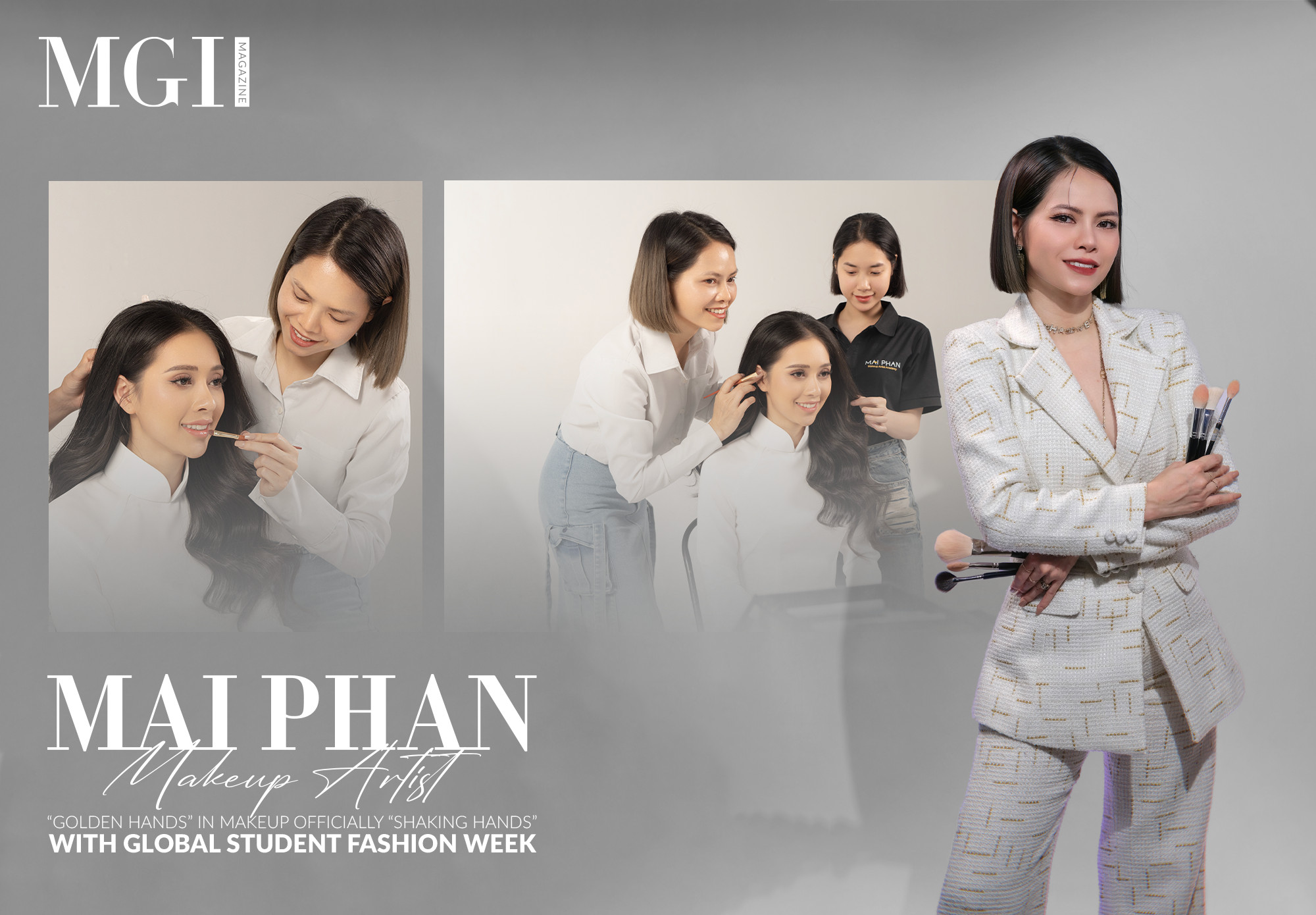
Mai Phan Makeup Artist - “golden hands” in makeup officially “shaking hands” with Global Student Fashion Week
Global Student Fashion Week was born, marking a new milestone for the world’s fashion industry. With students as the focus, GSFW promises to be a booming playground for talented young designers to express their creativity and assert their position. Accompanying this special journey is the appearance of Vietnam's leading makeup artist - Mai Phan Makeup Artist as the Makeup Sponsor for the event. With 20 years of experience in the makeup field, Mai Phan promises to bring impressive makeup looks, contributing to sublimating the designs of young designers.
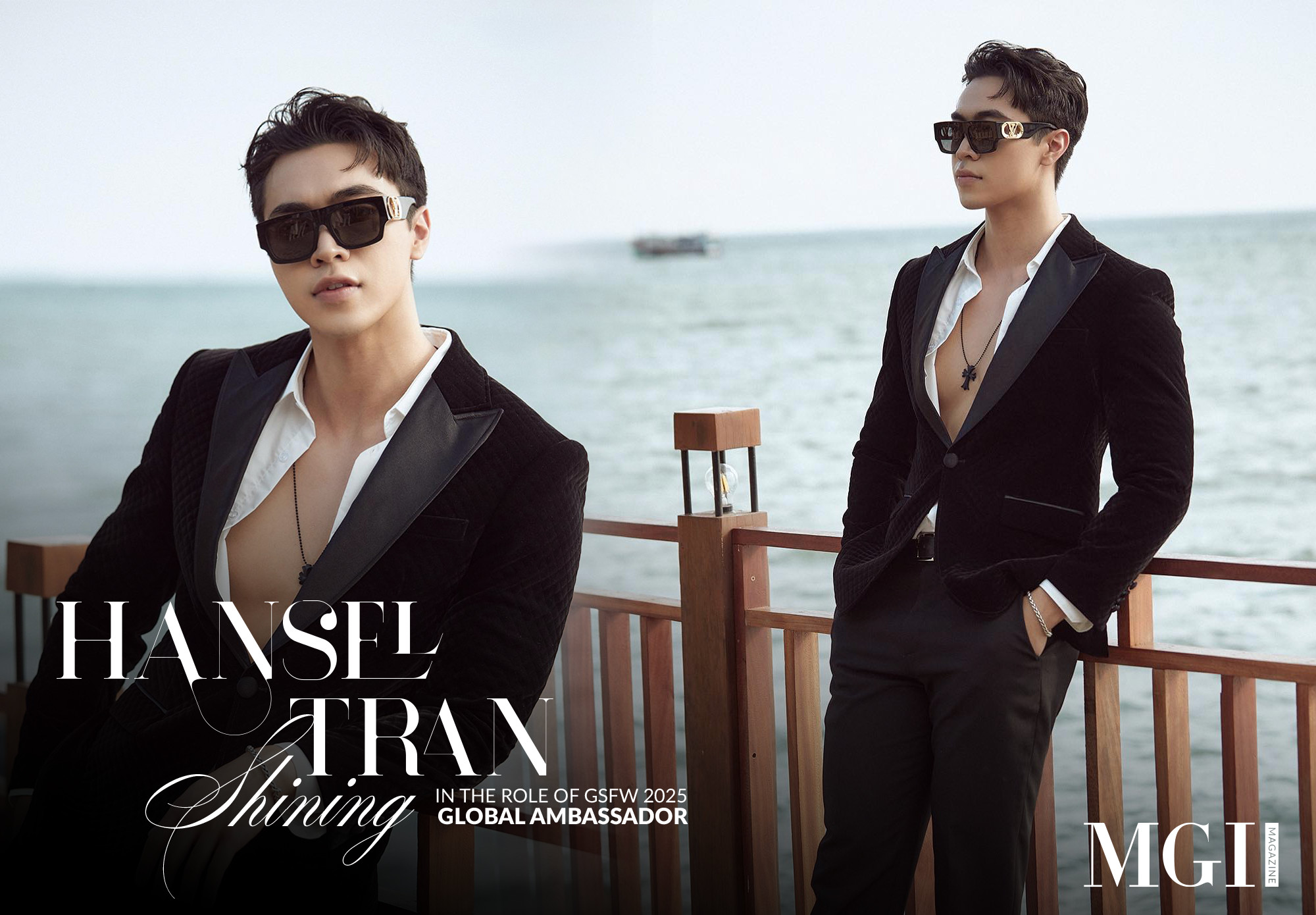
Hansel Tran shining in the role of Global Student Fashion Week 2025 Global Ambassador
Global Student Fashion Week is the first fashion week in the world dedicated to fashion training units, with students as the focus. In order to further spread the meaningful messages and noble mission of Global Student Fashion Week 2025, the organizing committee officially selected 999 typical faces as beauty queens, kings and influential people worldwide to become the GLOBAL AMBASSADORS of the week. Converging the quintessence of both beauty and intelligence, 999 Global Ambassadors will begin the journey of inspiration, spreading positive messages and contributing to creating a brilliant future for the world fashion industry. Contributing to the Ambassador list is the appearance of Mister Fitness Supermodel World 2023 - Hansel Tran.
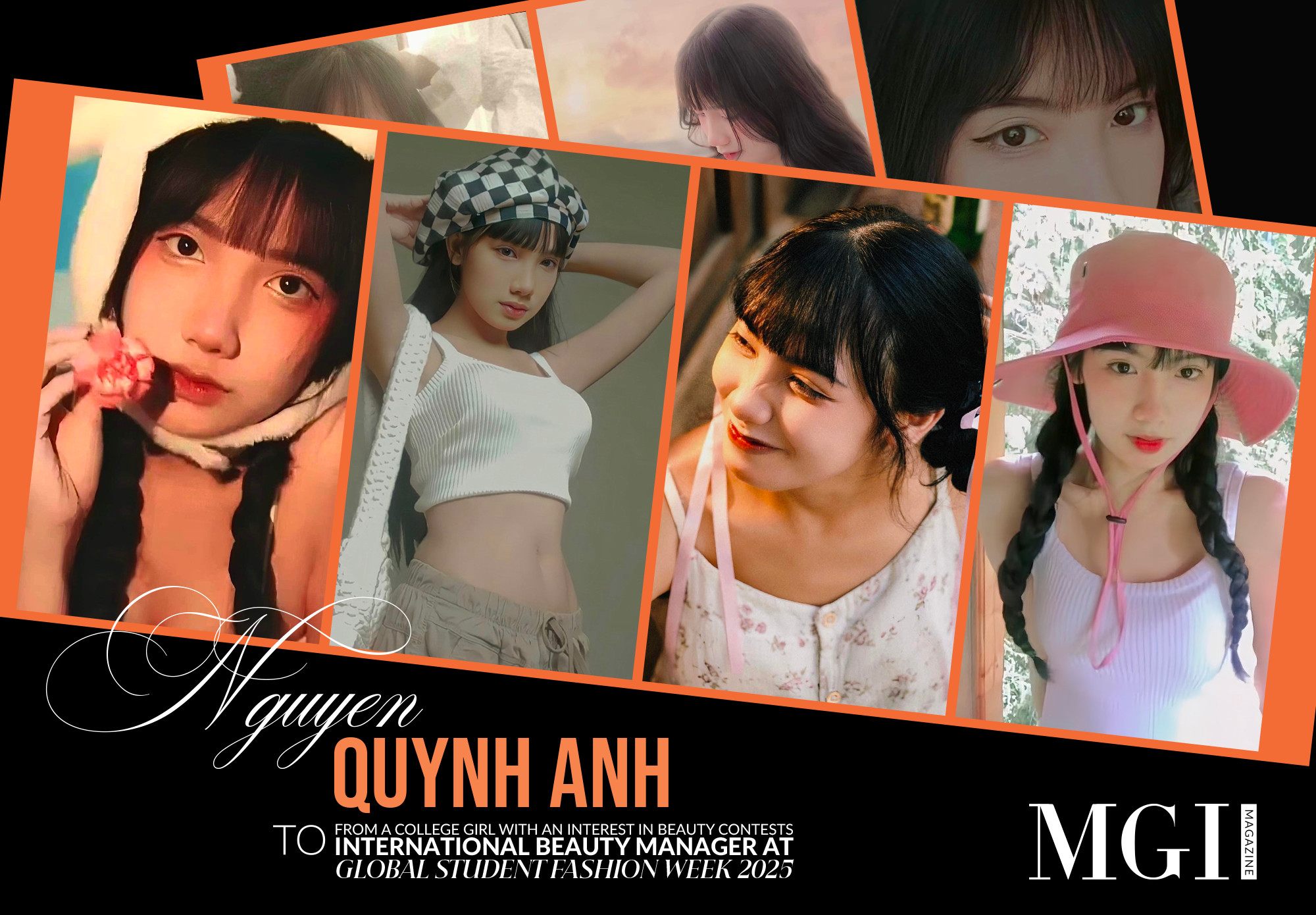
Nguyen Quynh Anh - From a college girl with an interest in beauty contests to international beauty manager at Global Student Fashion Week 2025
Nguyen Quynh Anh, a third-year student majoring in Business Administration at Industrial University of Ho Chi Minh City, is a name that is attracting attention among young people because of her impressive achievements in the field of beauty queen management and cooperation. international. From a strong passion for beauty contests, Quynh Anh has constantly reached out, pursuing her dream through beauty contests and fashion weeks both domestically and internationally, until now she is playing an important role at Global Student Fashion Week 2025.
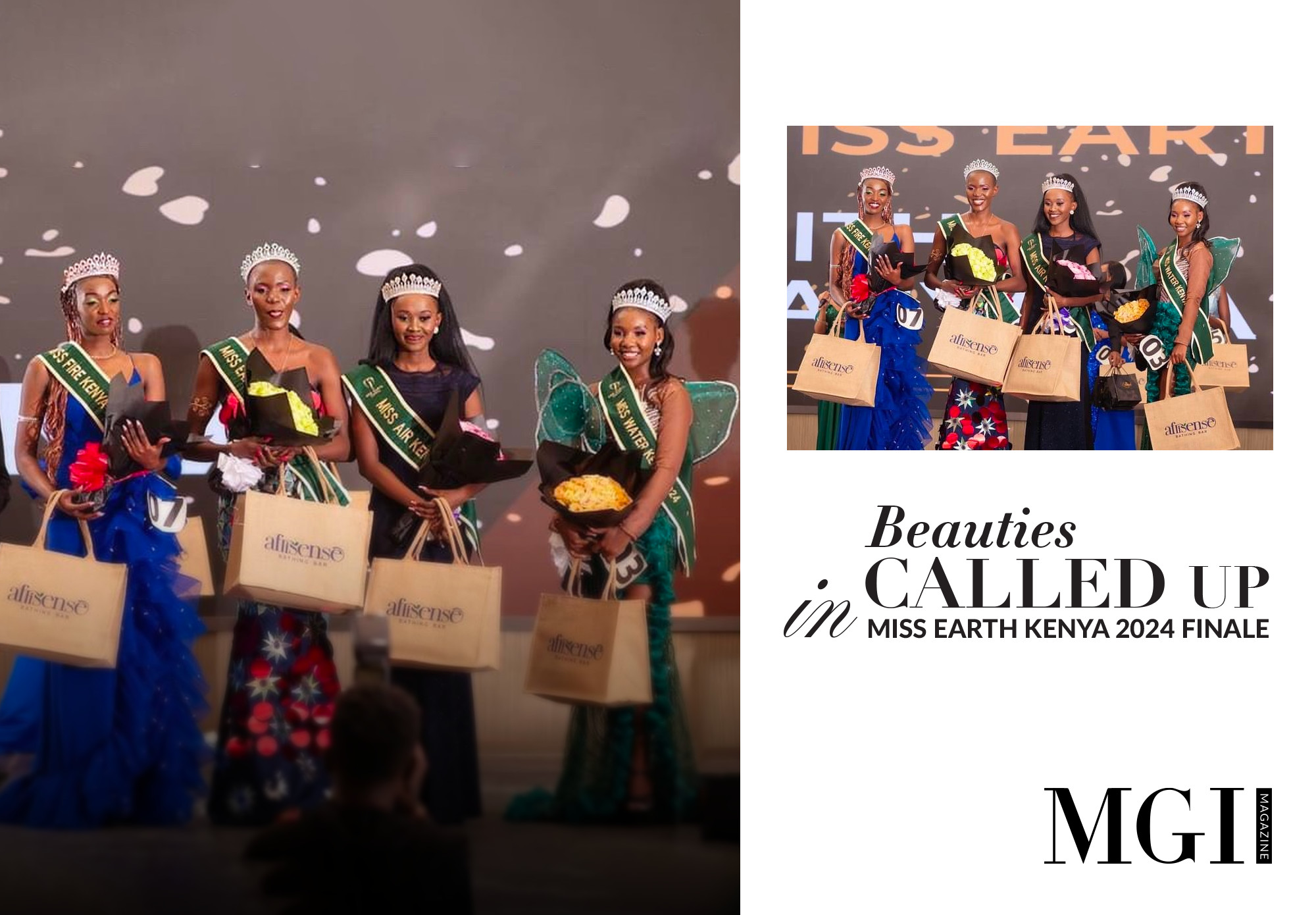
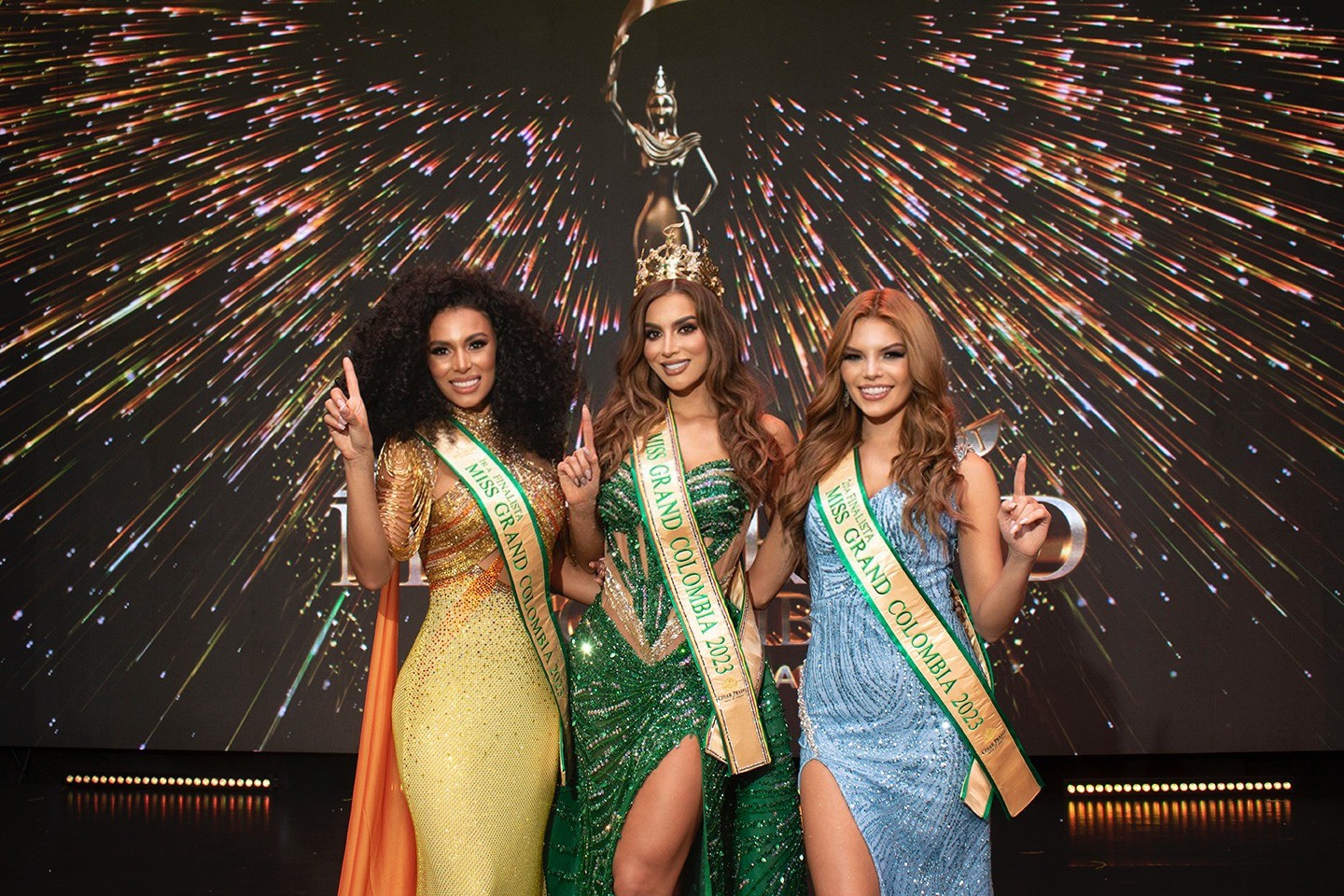
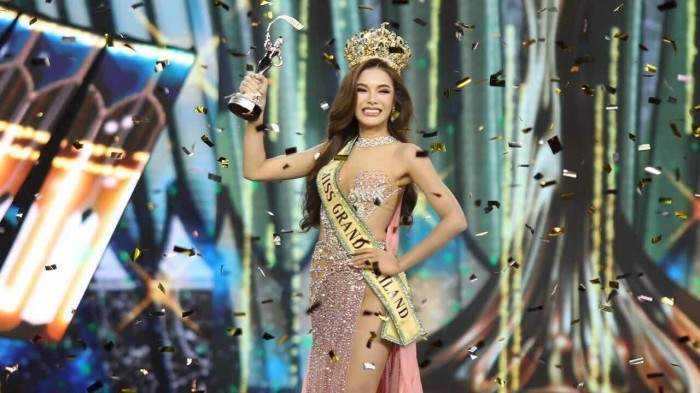
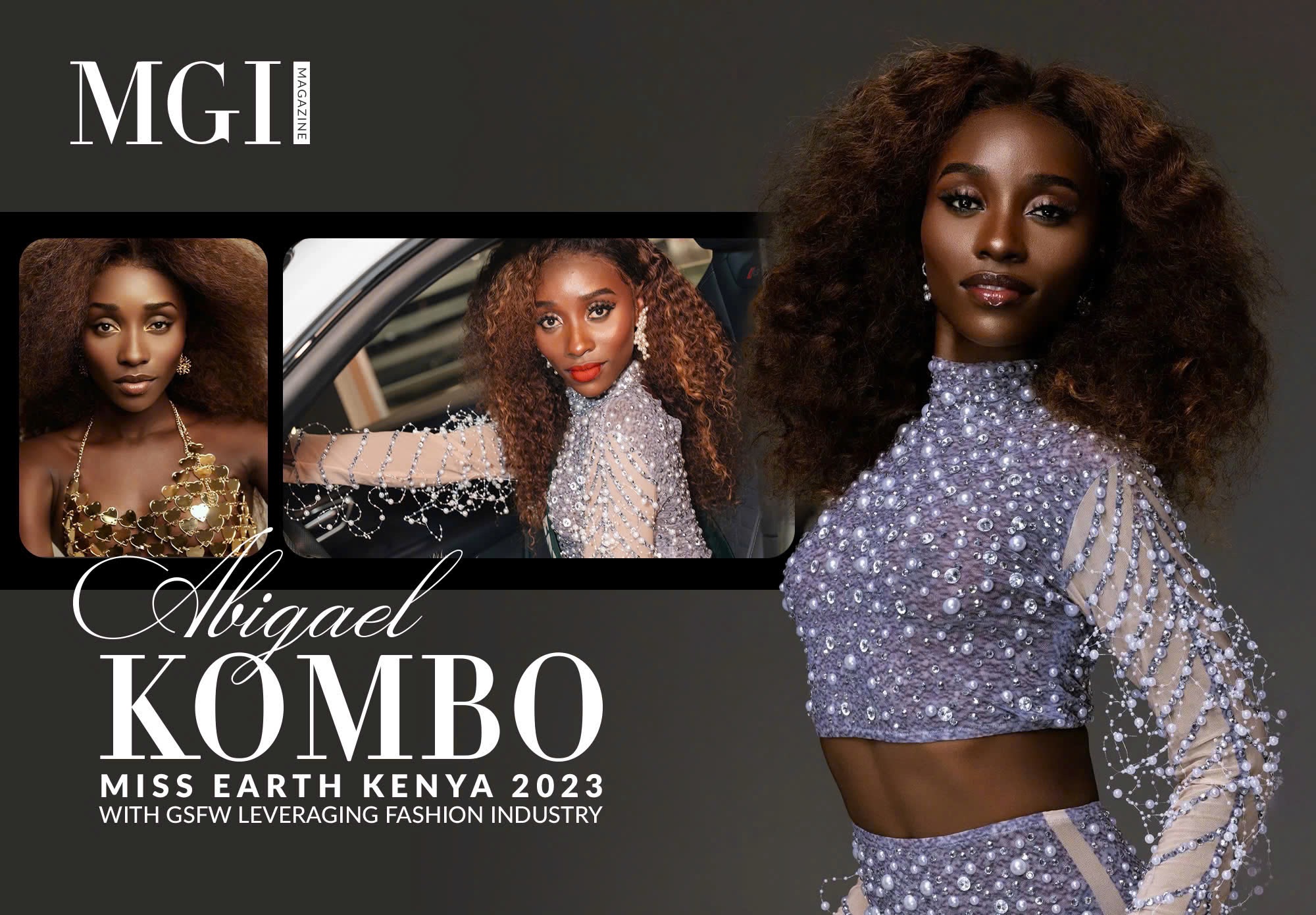
Beauties called up in Miss Earth Kenya 2024 finale
Miss Earth is an internationally renowned beauty pageant to raise public awareness as well as to encourage environmental protection campaigns and plans. Recently, Miss Earth Kenya 2024 just came to an end with a resoundingly successful finale. What’s most interesting about a beauty pageant is the deserving faces called up after a long journey of constant effort.
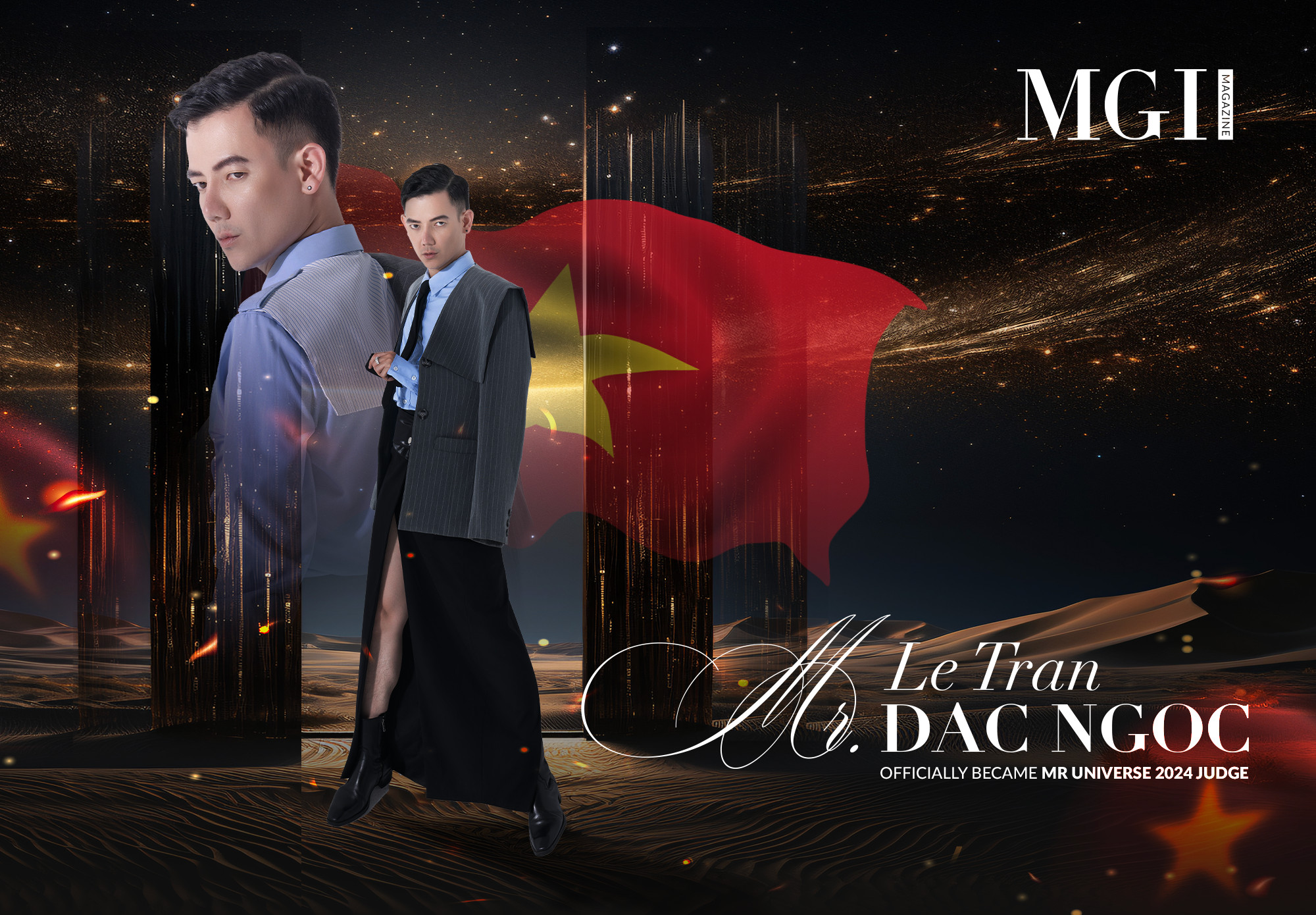
Mr. Le Tran Dac Ngoc officially became Mr Universe 2024 judge
Mr. Le Tran Dac Ngoc - Global Student Fashion Week president - just officially accepted the invitation to be in the jury of Mr Universe 2024 in India this August. Currently, as president of MGI Magazine, with 16 years of experience in the field of fashion and model training, Mr. Dac Ngoc promises to bring sharp professional assessments and contribute to finding the most deserving Mr Universe 2024.
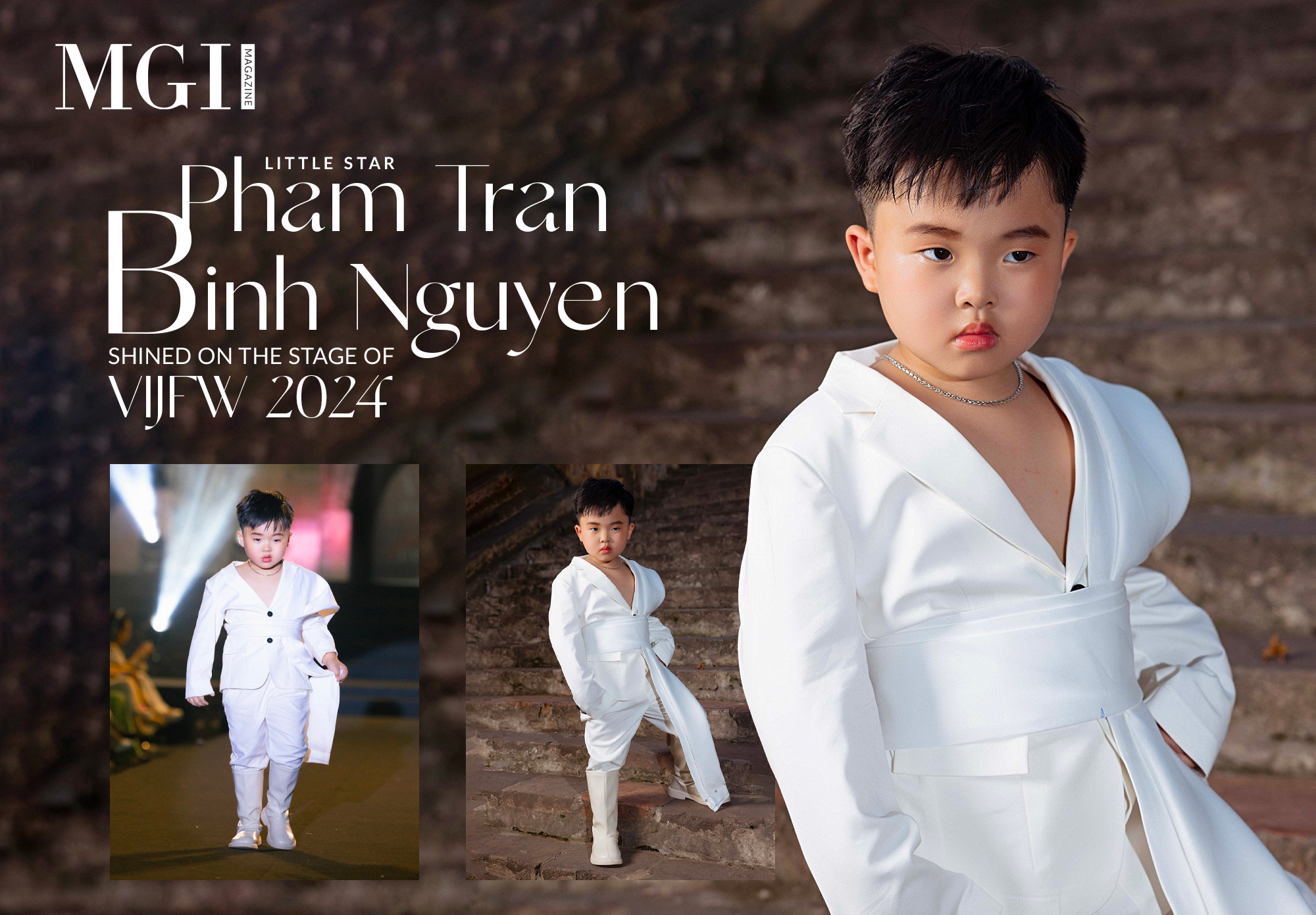
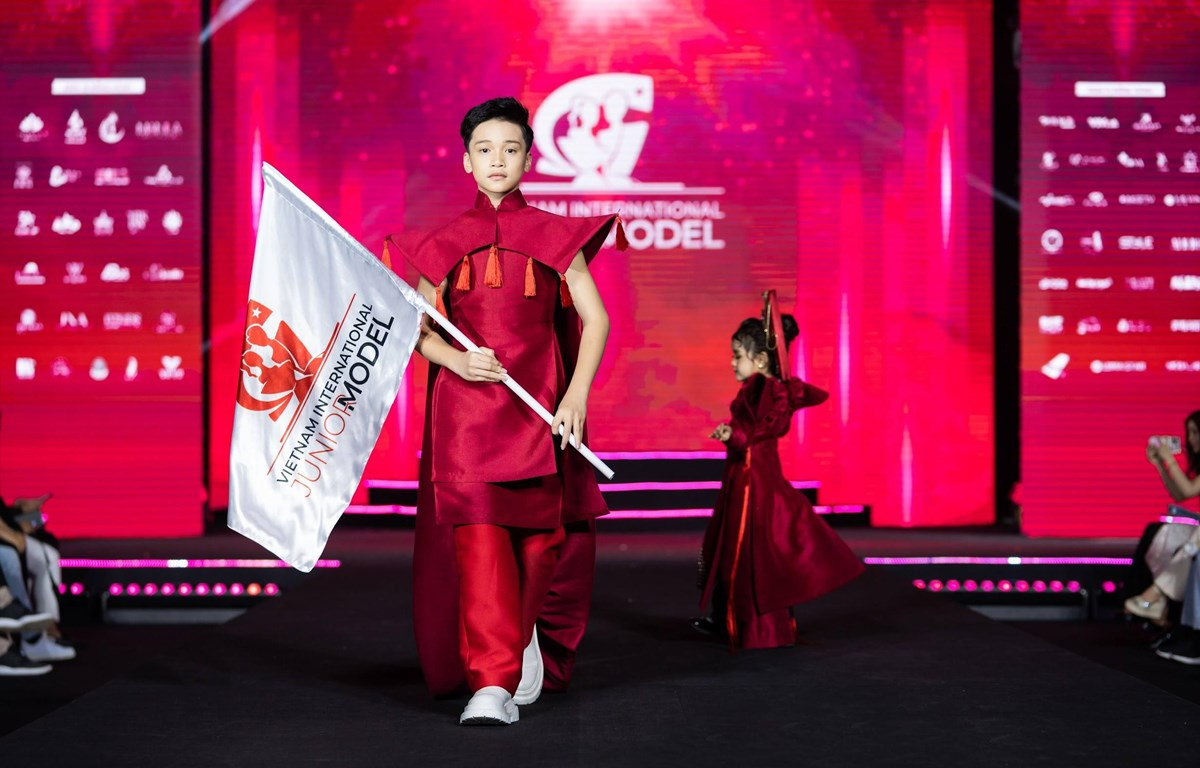
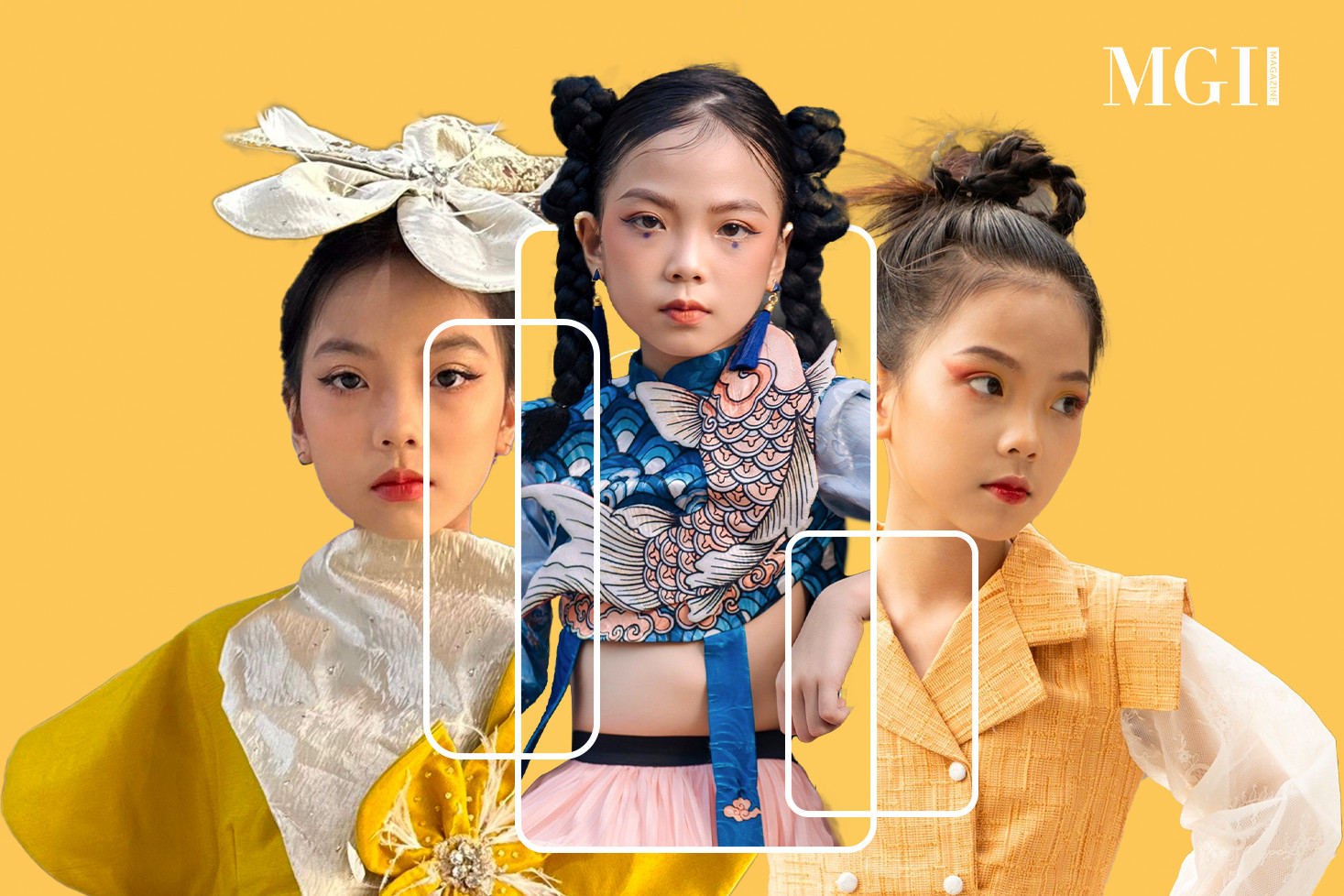
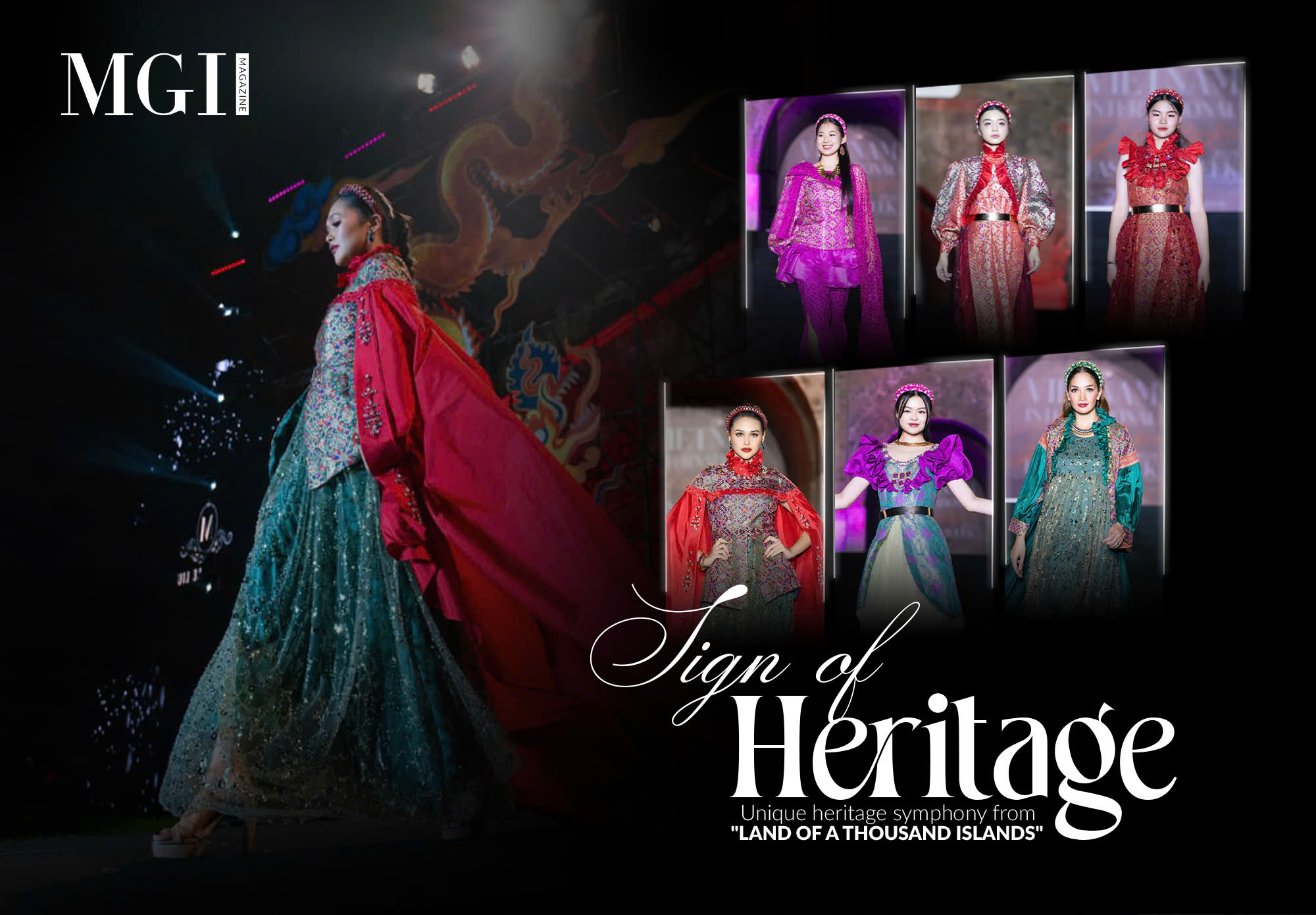
Little star Pham Tran Binh Nguyen shined on the stage of VIJFW 2024
Vietnam International Junior Fashion Week is one of the leading fashion weeks in the region, bringing a colorful artistic space of seam lines and creating a great playground for the model generation. Vietnam. Regardless of the interest of famous fashion houses and media agencies, VIJFW took place extremely successfully with explosive and eye-catching performances of the models. In particular, the performance of child model Pham Tran Binh Nguyen made the guests gush over his cuteness.

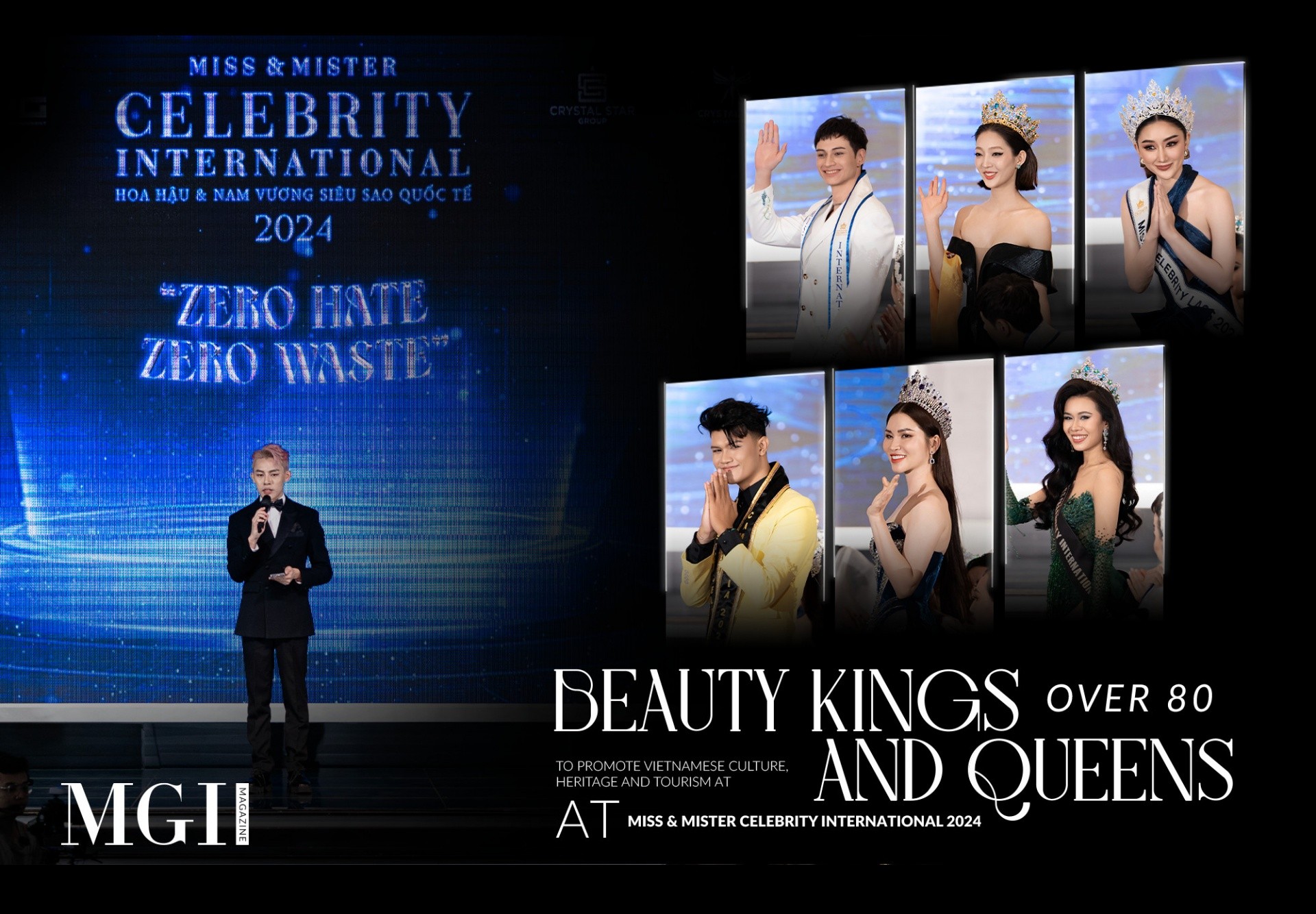
Miss & Mister Celebrity International 2023 “highlighted” in the list of 999 GSFW 2025 Global Ambassadors
With the purpose of spreading meaningful and noble messages of Global Student Fashion Week 2025, the Organizing Committee selected 999 beauty queens and kings in the fashion world. As a combination of beauty and intellect, the 999 Global Ambassadors will start an inspirational journey, spreading messages and contributing to a brighter world to the global fashion industry. “Highlighted” in the list this time are Mr. Marco Victor - Mister Celebrity International 2023 from Taiwan and Ms. Amarbayasgalan Onolbaatar - Miss Celebrity from Mongolia.