Fashion Industry
Bảng tin
Latin American Fashion Has More Than One Address
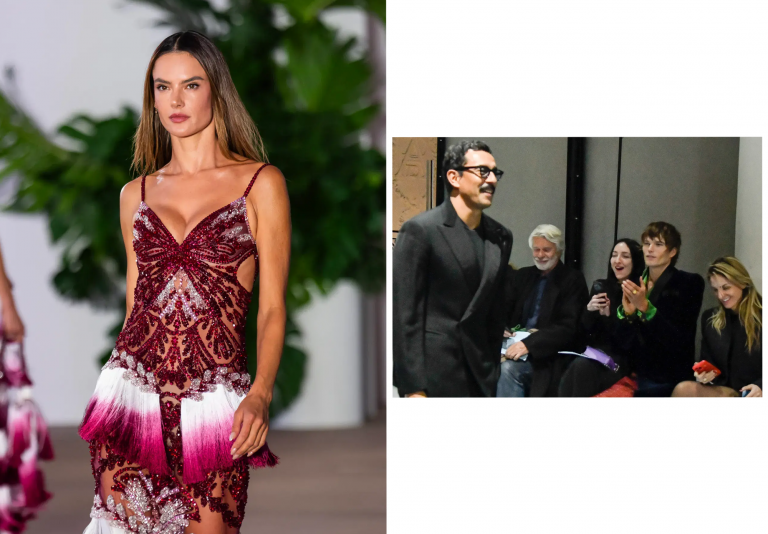
A fashion map organized only around Paris and Milan leaves out much of the work that makes clothes possible. Patricia Bonaldi’s Brazilian craft practice, Andrés Otálora’s Colombian ateliers, and Haider Ackermann’s internationally shaped career offer different routes into global fashion. They cannot be compressed into one regional aesthetic, even when a heritage celebration brings their names together. Latin American identity can concern birthplace, working relationships, materials, or the place where garments are made; those connections do not always coincide. Looking closely at the designers’ particular paths gives the category substance without turning it into a uniform style. The clothes emerge from distinct environments, and the people who make them participate in a fashion world that has never been contained neatly by the cities where collections are shown.
At the 2026 VMAs, Glamour Splits Between Shadow and Sparkle
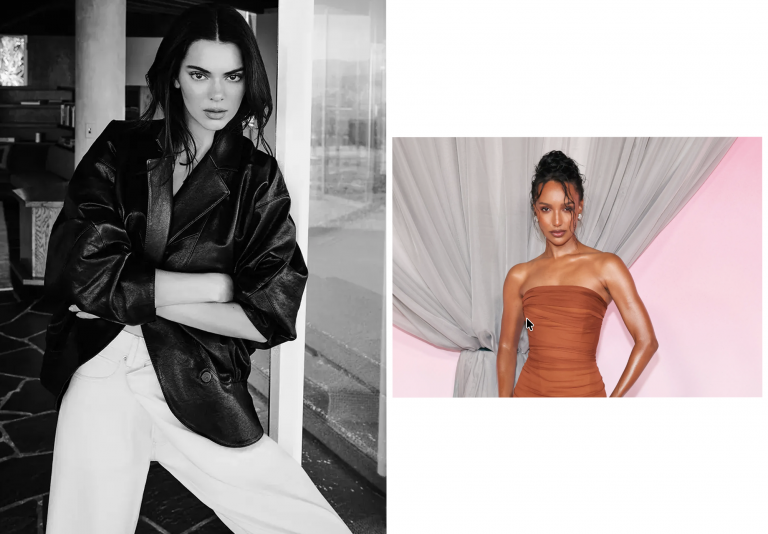
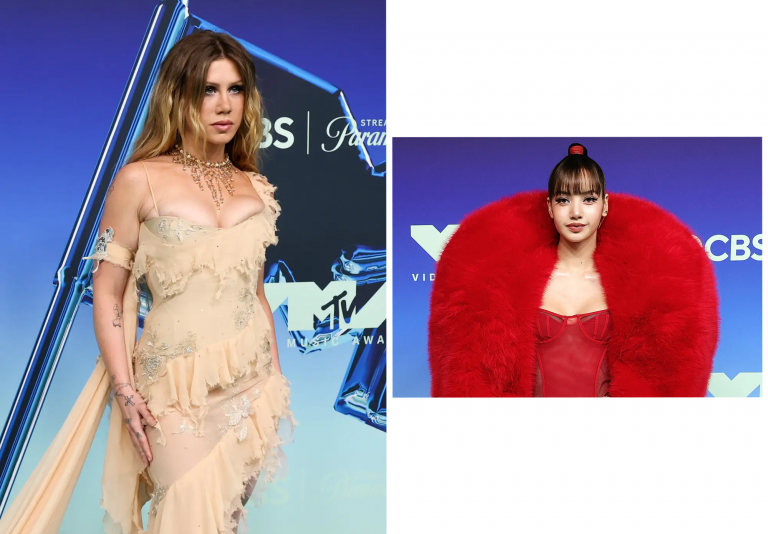
The 2026 VMAs carpet offers two contrasting ways to make an entrance. Dark, sheer, and feathered looks create atmosphere through shadow and texture, while neutral gowns with crystals use reflected light to command attention. Ella Bright and Teyana Taylor occupy one side of that visual conversation; Slayyyter, Sienna Spiro, and Raye bring other versions of polished shine. The distinction is more useful than a single best-dressed ranking because it reveals how different styling choices solve the same public problem. A performer or actor must become recognizable within a crowded field of photographs, often before speaking or appearing onstage. Hair, makeup, fabric, and silhouette work together to give that brief encounter a clear identity.
Twenty Years of Gianvito Rossi, Seen From the Shoe Up
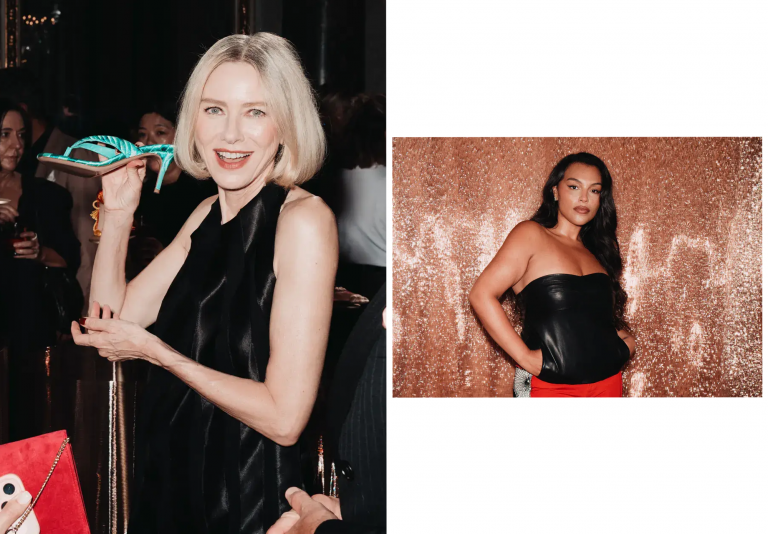
Gianvito Rossi’s twentieth anniversary places a precise object at the center of a larger family and manufacturing story. The Milan celebration introduced the Spring/Summer 2027 collection and a Rizzoli book, My Shoes, while returning attention to the craft rooted in San Mauro Pascoli. Signature designs such as the Gianvito 105 pump and Portofino sandal provide recognizable points along that history. The newer collection adds satin, embroidery, crystals, fringe, and an aperitivo-inspired palette to the brand’s streamlined forms. The anniversary’s most useful perspective begins close to the foot: proportion is a visible quality, but it must also become a construction that works for a body. A shoe connects the photograph of luxury with the practical knowledge required to make it stand, move, and last.
Rick Owens Makes the Runway Carry Weight
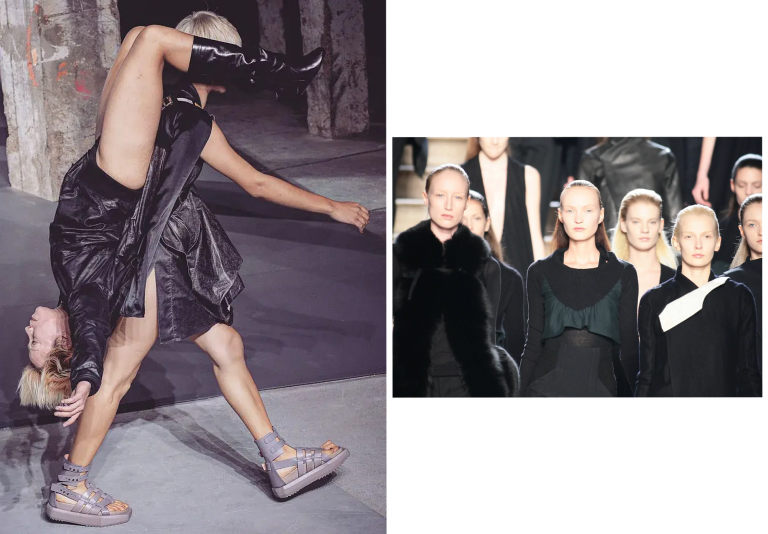
A woman carrying another woman down a runway is an image of clothing, but it is also an image of physical responsibility. Rick Owens’ Cyclops collection for Spring/Summer 2016 turned that relationship into a presentation, using paired bodies to alter the familiar procession of models. His earlier Vicious show had already changed the catwalk through stepping, bringing collective movement and performers with another physical vocabulary into the setting. These moments help explain why Owens’ most memorable presentations cannot be separated neatly into garments and spectacle. The show changes what the clothes are asked to reveal. Weight, coordination, and endurance become visible beside cut and fabric, challenging the assumption that a fashion presentation should make the body look effortless while leaving the work of movement out of sight.
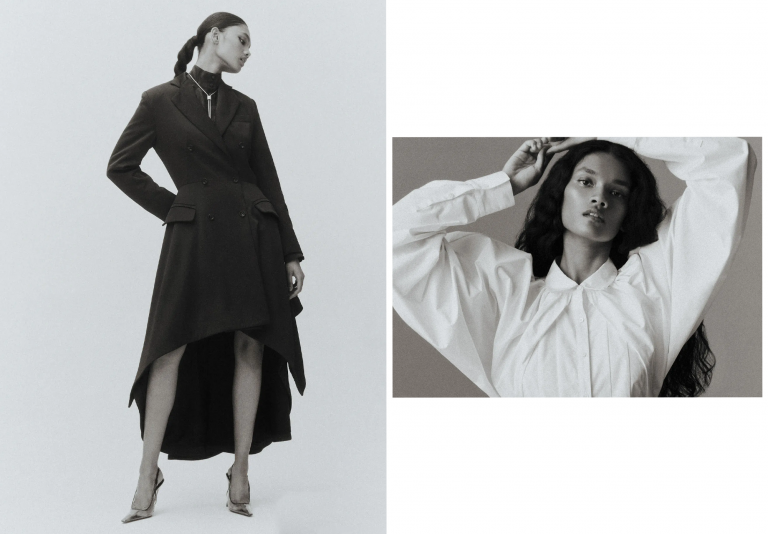
The Peplum’s Curve Reclaims Space Around the Body
A bell-shaped flare changes a garment before it changes an outfit. In Fall/Winter 2026, rounded jackets, structured dresses, and reworked waistlines give that outward movement a renewed presence, placing volume where a flatter silhouette might have followed the body more closely. Givenchy, Tory Burch, and Dior offer different versions of this curved vocabulary. Its appeal is not confined to a nostalgic return of bell-bottoms or a single decade’s proportions. The curve can begin at the shoulder, widen at the hip, or emerge through the edge of a jacket. Looking at where that volume starts reveals how the clothes frame the wearer, creating a shape that has its own presence while leaving the body inside it room to remain individual.
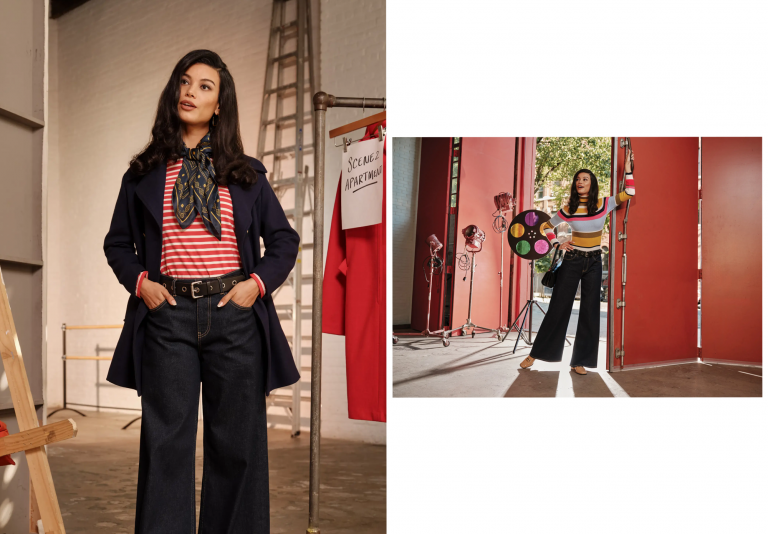
Mary Tyler Moore’s Hat Lands in a New Wardrobe
The hat Mary Tyler Moore tossed into the air has returned as a piece someone else can wear. Frances Valentine’s collaboration with the Mary Tyler Moore Vision Initiative translates the actor’s television wardrobes into contemporary ready-to-wear, shoes, and handbags, including an updated striped tam. The collection draws from both Mary Richards and Laura Petrie, two characters whose clothes occupied distinct settings within American screen culture. A personal archive gave the brand a close view of construction and color; a charitable commitment gives the new capsule another purpose beyond recollection. Twenty percent of net sales supports the Vision Initiative. The collection joins remembered television style to the work of making garments for the present, with an accessory carrying history without needing to remain a souvenir.
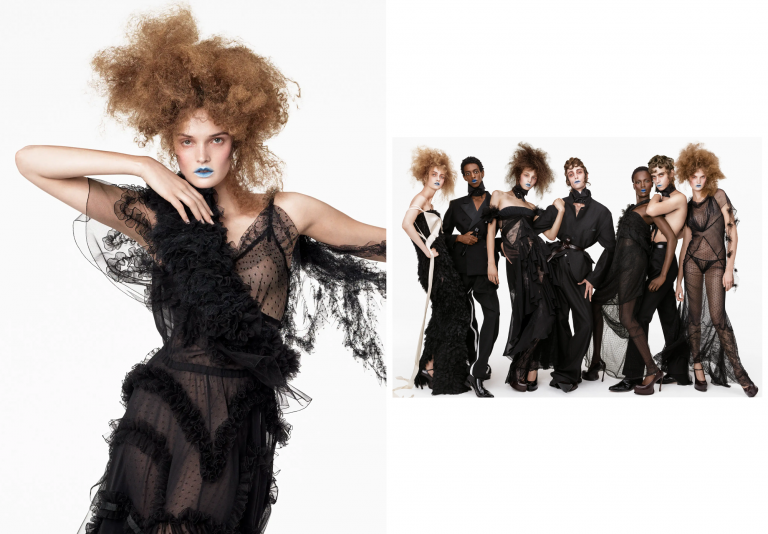
Galliano’s Zara Archive Is Material for a New Cut
John Galliano’s Re{form} collaboration with Zara begins with clothes that already exist within the retailer’s design history. The collection cuts, shifts, and reworks those references, opening the archive to reconstruction through cuts that give its familiar forms another direction. Campaign images by Steven Meisel and a Paris installation extend the process into a visual world, but the garments carry the central proposition: familiar forms can be reorganized through the decisions of a designer associated with couture. The collaboration also places that proposition within mass-market retail. Its interest is in the encounter between a broad distribution system and a highly identifiable method of shaping clothing, where the promise of access meets the practical differences between a couture idea and a product offered for sale.
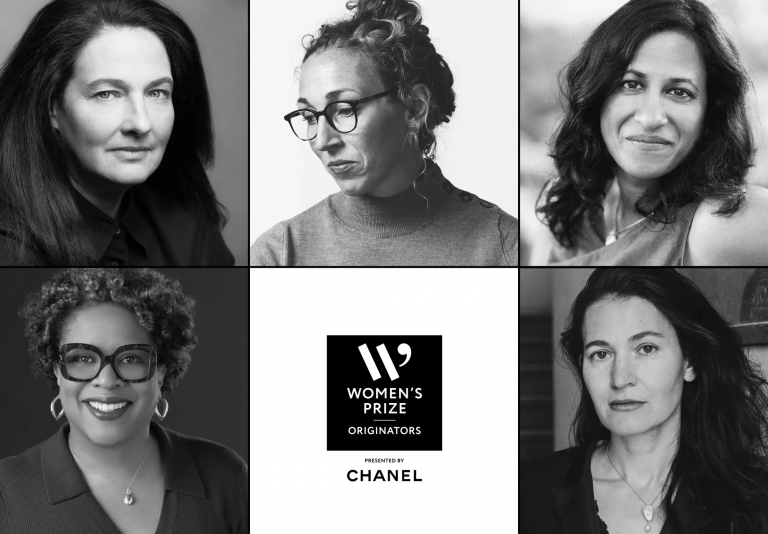
Chanel’s Originators Puts Support Before the Book Deal
Five unpublished women novelists will receive a new kind of introduction to the publishing world through Originators, the Women’s Prize Trust’s U.S. mentorship program presented by Chanel. The initiative combines individual guidance, a grant, and access to people who understand how a manuscript moves toward readers. Its premise begins before the visible success that literary culture usually celebrates. An unpublished writer may already have a voice and a substantial project while lacking the time, advice, or professional relationships needed to develop it. By placing support at that stage, Originators turns attention from the finished book to the conditions of its making. The program’s significance will depend on what those five writers are able to do with the space and guidance they receive.
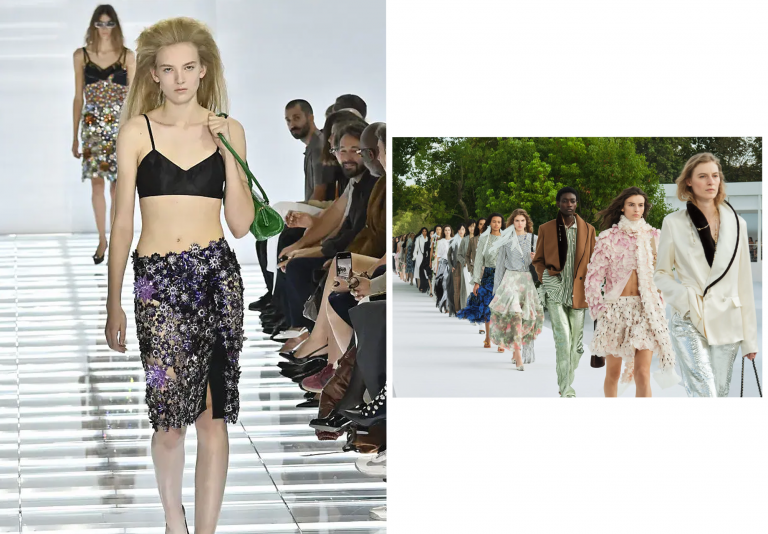
Spring 2027 Dresses in Motion, Light, and Folded Edges
Spring/Summer 2027’s runways make a case for clothes that change as the body moves. Fringe swings, metallic surfaces catch light, skirts reorganize an outfit’s center, and folded basics give familiar garments a more deliberate outline. Soft color combinations connect these proposals without forcing them into one uniform look. The season’s interest is less a compulsory shopping list than a set of design operations: add movement, alter reflection, change proportion, or make a fold visible. Prada, Dior, Saint Laurent, and other houses approach those operations differently. Following the physical behavior of the clothes offers a way through fashion month’s crowded imagery, following a skirt’s volume, a bra’s compact shape, and the light reflected by silver trousers.
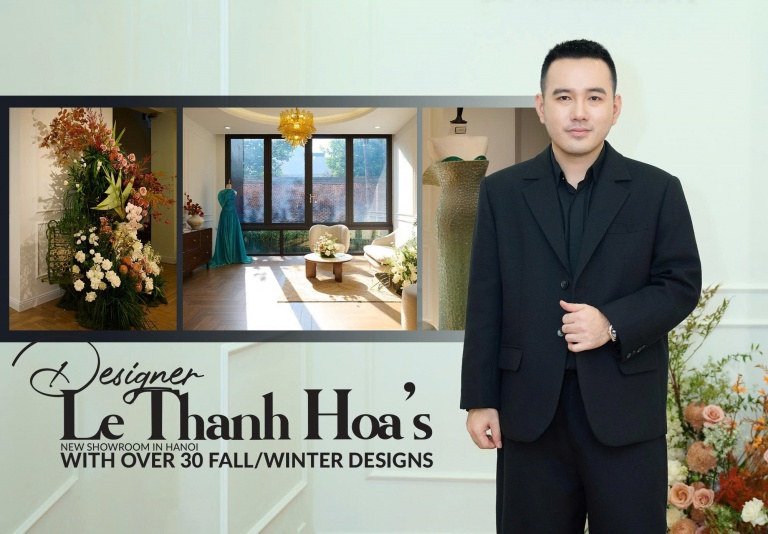
Designer Le Thanh Hoa’s new showroom in Hanoi with over 30 Fall/Winter designs
Fashion designer Le Thanh Hoa has officially unveiled his new showroom at 66 Ngo Thi Nham Street, Hanoi. The opening marks an important step in the brand’s development in the northern market, with a focus on optimizing personalized services and enhancing the customer experience. On this occasion, the fashion house also introduced its Fall/Winter 2026 Ready-to-Wear collection, featuring more than 30 designs inspired by the natural beauty of Hanoi as the seasons transition.