News



Bảng tin

Jennifer Lawrence Swapped Pants for This Seasonal Style with an Eye-Catching Detail That's Also Functional
Get a similar drawstring skirt at Amazon for $29
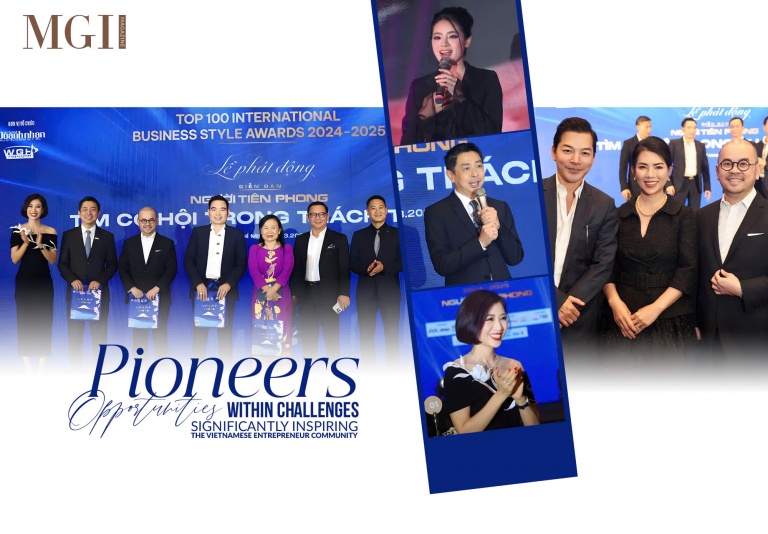
“Pioneers – Opportunities within challenges” significantly inspiring the Vietnamese entrepreneur community
On the afternoon of March 26 in Ho Chi Minh City, the seminar “Pioneers – Opportunities within challenges” made a profound impression on the business community as part of the launch ceremony for the Top 100 International Business Style 2025. With the participation of leading speakers, the event not only shared strategic perspectives but also inspired a spirit of innovation, overcoming challenges, and sustainable development.
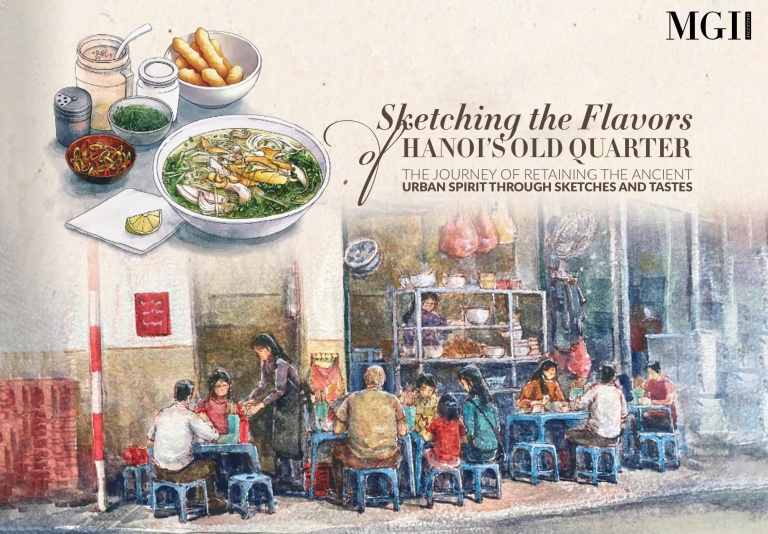
“Sketching the Flavors of Hanoi’s Old Quarter”: The journey of retaining the ancient urban spirit through sketches and tastes
Hanoi – the land of a thousand years of civilization, where every paving stone and moss-covered roof carries the breath of history, where every midnight street vendor’s call and every dish’s flavor etch unforgettable memories into people’s hearts. Amidst the ever-changing flow of time, Hanoi’s Old Quarter remains serene and captivating, a living testament to Vietnamese culture. In the journey to preserve this cultural identity, the Urban Sketchers Hanoi group has launched a deeply historical and humanistic art project – “Sketching the Flavors of Hanoi’s Old Quarter” – a sketchbook that captures and honors the beauty of Old Quarter cuisine through the lens of painting and heartfelt everyday stories
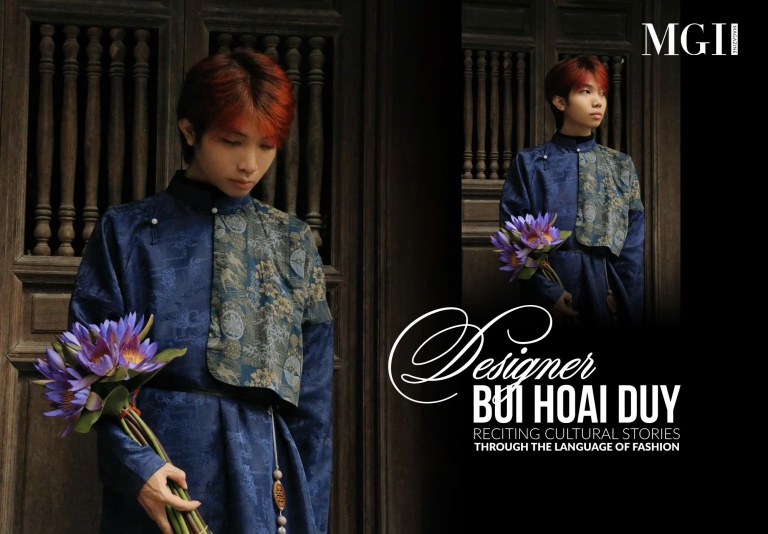
Designer Bui Hoai Duy: Reciting cultural stories through the language of fashion
In the Vietnamese fashion scene, Bui Hoai Duy is a promising young designer known for his refined ability to blend cultural traditions with modern style. With a deep passion and relentless creativity, he has made a strong mark on the Vietnamese fashion industry, especially through his unique and impressive national costume designs.
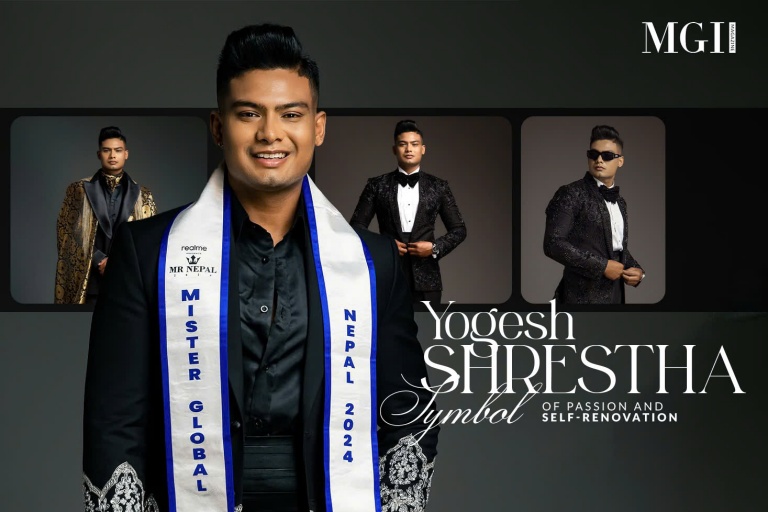
Yogesh Shrestha – Symbol of passion and self-renovation
Yogesh Shrestha is more than just a fashion model – he is also an IT engineer, photographer, fitness coach, and national-level athlete. After winning the title of Mister Global Nepal 2024, he made his mark on the international stage. Now, as a Global Ambassador for Global Student Fashion Week (GSFW), he continues to spread a message of creativity, innovation, and breaking limits, inspiring the younger generation to pursue their dreams with passion and determination.
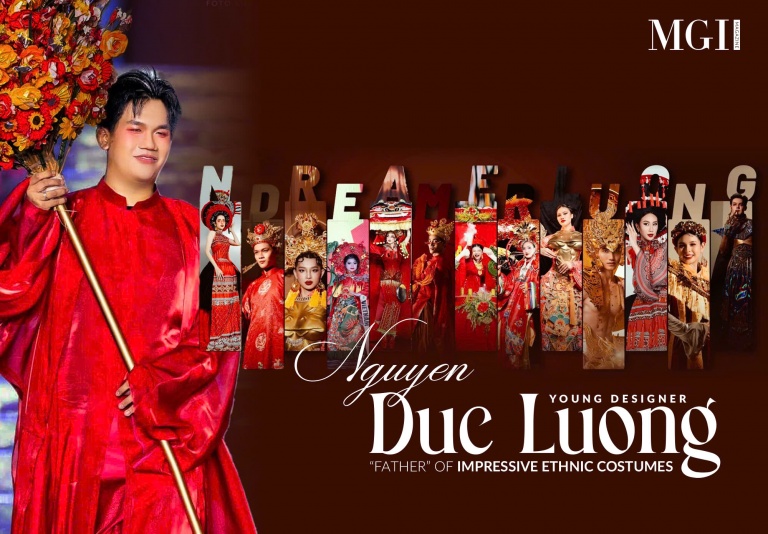
Young designer Nguyen Duc Luong – “Father” of impressive ethnic costumes
In the Vietnamese fashion industry, the name Nguyen Duc Luong is gradually establishing its position with impressive and creative ethnic cultural clothing designs. As one of the young designers from Generation Z, Duc Luong not only possesses exceptional talent in recreating the beauty of Vietnamese culture through his designs but also carries an inspiring story of pursuing his passion, overcoming all difficulties to achieve success.
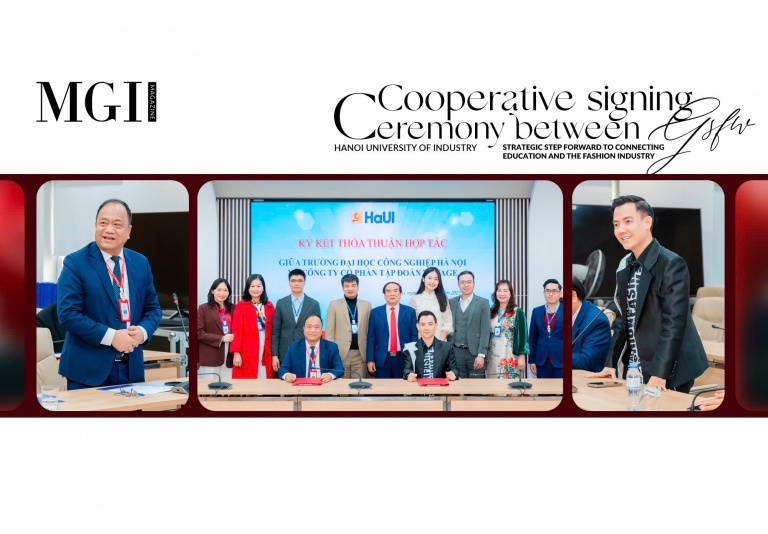
Cooperative signing ceremony between GSFW and Hanoi University of Industry: Strategic step forward to connecting education and the fashion industry
In the context of the fashion industry increasingly demanding innovation and global integration, training high-quality human resources has become a key factor for sustainable development. Recognizing this, Global Student Fashion Week (GSFW) has officially signed a cooperation agreement with Hanoi University of Industry, marking an important step in connecting education and the fashion industry. This event not only provides learning and practical opportunities for students but also contributes to improving training quality, aiming to build a modern and globally integrated Vietnamese fashion industry.
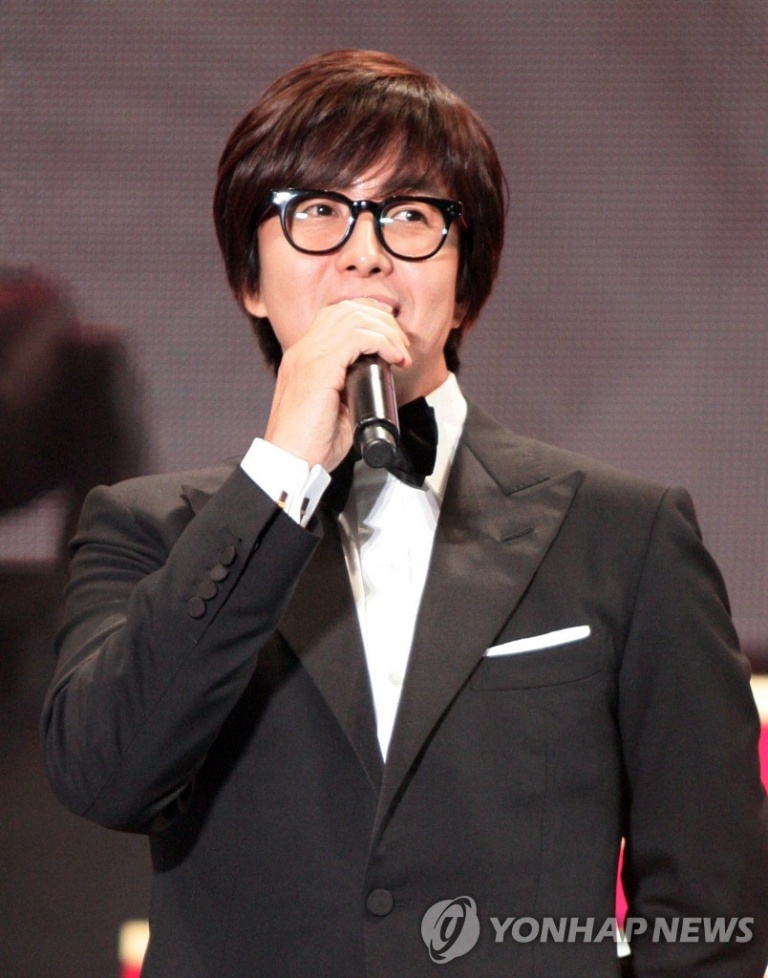
Actor Bae Yong-joon donates 3 bln won to medical institution
Actor Bae Yong-joon of the 2002 hit drama "Winter Sonata" has donated 3 billion won (US$2.08 million) to a leading medical institution, medical sources said Sunday.

Kristen Bell Wore the Spring-Ready Staple Every Closet Needs, and It’s Surprisingly Still in Stock
Grab her exact cashmere cardigan while it's on sale
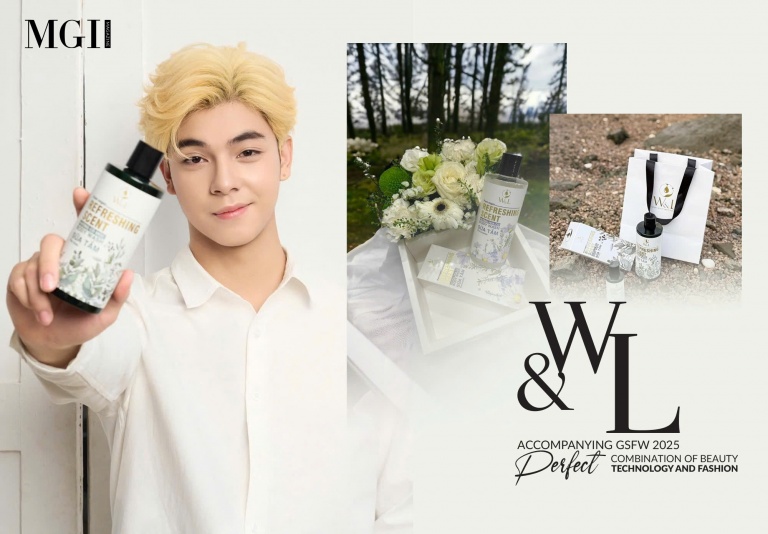
W&L accompanying GSFW 2025: Perfect combination of beauty technology and fashion
In the beauty industry, W&L has established itself as a leading brand in transferring Japanese skincare technology to Vietnam. Committed to providing high-quality, safe, and effective products, W&L continuously strives to enhance the skincare experience for Vietnamese consumers. Now, W&L proudly joins Global Student Fashion Week 2025 (GSFW 2025), the world's largest student fashion event, as an official partner.