Sports
Bảng tin
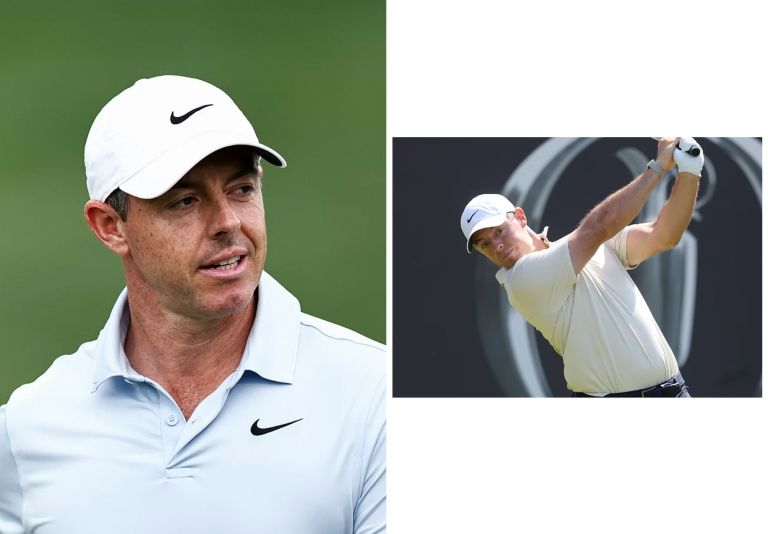
The Pressure and Meaning Inside The Continuing Pga Tour And Liv Golf Divide Through The Lens Of Rory Mcilroy And Bryson Dechambeau
The continuing pga tour and liv golf divide through the lens of rory mcilroy and bryson dechambeau captures the part of elite sport that a scoreboard alone cannot explain. Tournament golf is built from measurable outcomes—shots, positions, cuts, trophies—but the meaning of a week often comes from less tidy elements: pressure, reputation, crowd behavior, preparation, money, identity, and the relationships that surround a player. Those forces can become especially visible when a major championship or a wider institutional dispute compresses them into a few decisive days. Rather than treating the event as a sequence of isolated moments, it is more revealing to read it as a snapshot of the professional game itself: intensely individual, highly commercial, historically conscious, and still dependent on routines and judgments that happen far from the cameras.
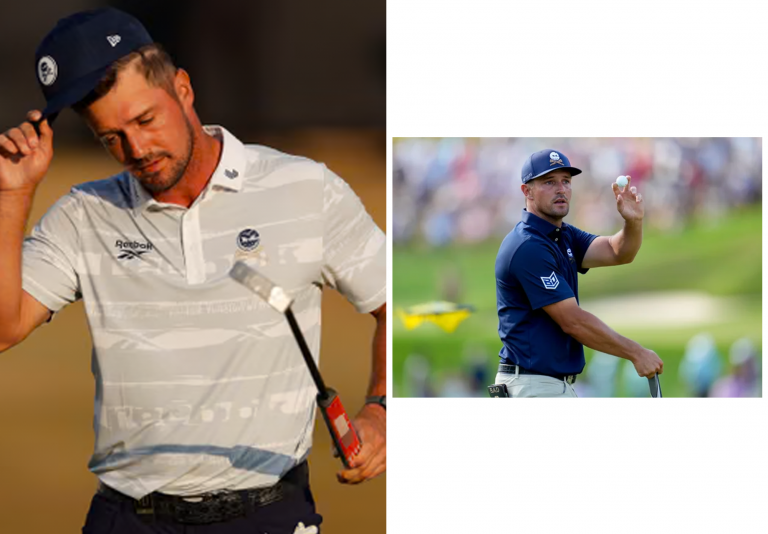
Inside the Stakes of Bryson Dechambeau'S Growing Youtube Presence Alongside Elite Golf
Bryson dechambeau's growing youtube presence alongside elite golf captures the part of elite sport that a scoreboard alone cannot explain. Tournament golf is built from measurable outcomes—shots, positions, cuts, trophies—but the meaning of a week often comes from less tidy elements: pressure, reputation, crowd behavior, preparation, money, identity, and the relationships that surround a player. Those forces can become especially visible when a major championship or a wider institutional dispute compresses them into a few decisive days. Rather than treating the event as a sequence of isolated moments, it is more revealing to read it as a snapshot of the professional game itself: intensely individual, highly commercial, historically conscious, and still dependent on routines and judgments that happen far from the cameras.
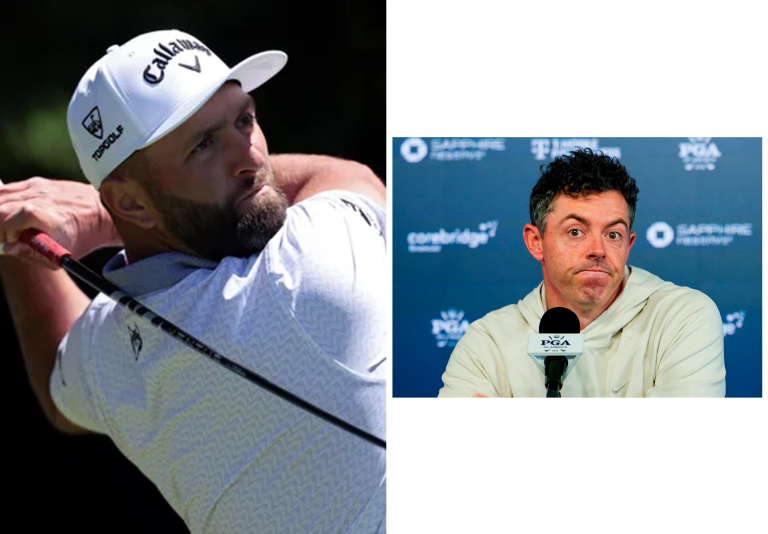
What Rory Mcilroy'S View Of The Risks Surrounding Liv Golf Reveals About Modern Sport
Rory mcilroy's view of the risks surrounding liv golf captures the part of elite sport that a scoreboard alone cannot explain. Tournament golf is built from measurable outcomes—shots, positions, cuts, trophies—but the meaning of a week often comes from less tidy elements: pressure, reputation, crowd behavior, preparation, money, identity, and the relationships that surround a player. Those forces can become especially visible when a major championship or a wider institutional dispute compresses them into a few decisive days. Rather than treating the event as a sequence of isolated moments, it is more revealing to read it as a snapshot of the professional game itself: intensely individual, highly commercial, historically conscious, and still dependent on routines and judgments that happen far from the cameras.
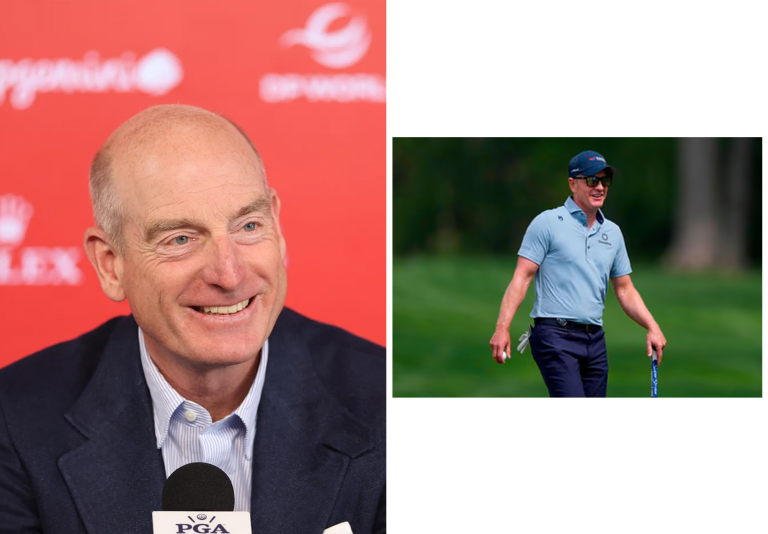
The Pressure and Meaning Inside Jim Furyk'S Call For Greater Ryder Cup Commitment
Jim furyk's call for greater ryder cup commitment captures the part of elite sport that a scoreboard alone cannot explain. Tournament golf is built from measurable outcomes—shots, positions, cuts, trophies—but the meaning of a week often comes from less tidy elements: pressure, reputation, crowd behavior, preparation, money, identity, and the relationships that surround a player. Those forces can become especially visible when a major championship or a wider institutional dispute compresses them into a few decisive days. Rather than treating the event as a sequence of isolated moments, it is more revealing to read it as a snapshot of the professional game itself: intensely individual, highly commercial, historically conscious, and still dependent on routines and judgments that happen far from the cameras.
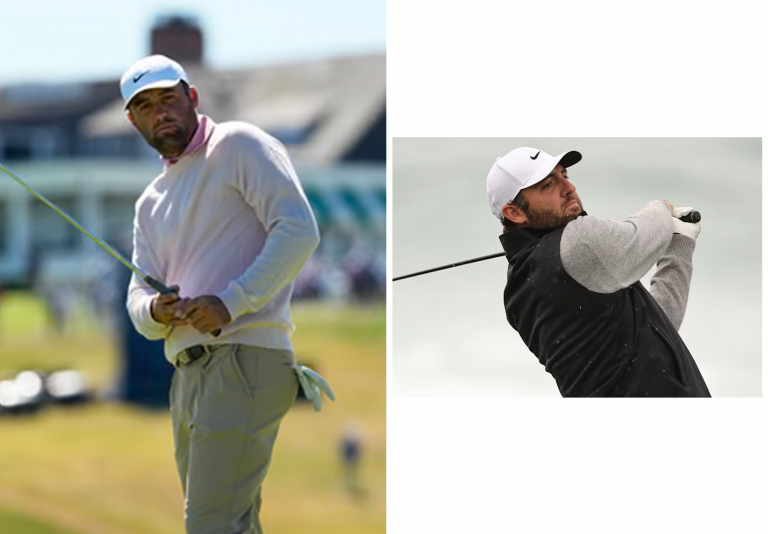
Inside the Stakes of A Seven-Way Tie On The 2026 Pga Championship Leaderboard
A seven-way tie on the 2026 pga championship leaderboard captures the part of elite sport that a scoreboard alone cannot explain. Tournament golf is built from measurable outcomes—shots, positions, cuts, trophies—but the meaning of a week often comes from less tidy elements: pressure, reputation, crowd behavior, preparation, money, identity, and the relationships that surround a player. Those forces can become especially visible when a major championship or a wider institutional dispute compresses them into a few decisive days. Rather than treating the event as a sequence of isolated moments, it is more revealing to read it as a snapshot of the professional game itself: intensely individual, highly commercial, historically conscious, and still dependent on routines and judgments that happen far from the cameras.
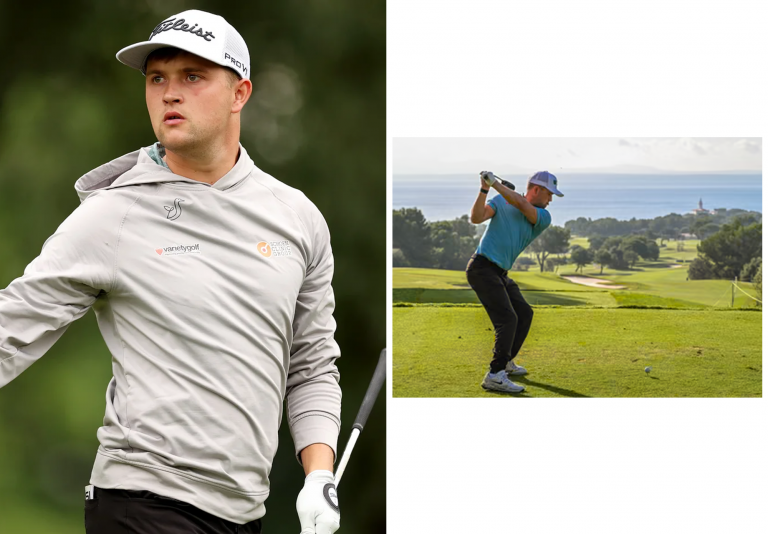
What Kipp Popert And The Economics Of Elite Disability Golf Reveals About Modern Sport
Kipp popert and the economics of elite disability golf captures the part of elite sport that a scoreboard alone cannot explain. Tournament golf is built from measurable outcomes—shots, positions, cuts, trophies—but the meaning of a week often comes from less tidy elements: pressure, reputation, crowd behavior, preparation, money, identity, and the relationships that surround a player. Those forces can become especially visible when a major championship or a wider institutional dispute compresses them into a few decisive days. Rather than treating the event as a sequence of isolated moments, it is more revealing to read it as a snapshot of the professional game itself: intensely individual, highly commercial, historically conscious, and still dependent on routines and judgments that happen far from the cameras.
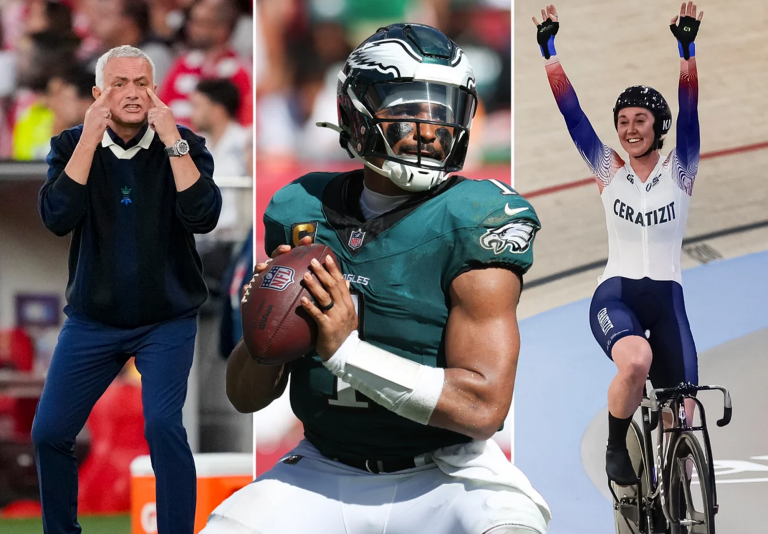
The Pressure and Meaning Inside A Week Of Major Sports Stories Across Football, Rugby, Tennis, Boxing, Cycling, Golf And The Nfl
A week of major sports stories across football, rugby, tennis, boxing, cycling, golf and the nfl captures the part of elite sport that a scoreboard alone cannot explain. Tournament golf is built from measurable outcomes—shots, positions, cuts, trophies—but the meaning of a week often comes from less tidy elements: pressure, reputation, crowd behavior, preparation, money, identity, and the relationships that surround a player. Those forces can become especially visible when a major championship or a wider institutional dispute compresses them into a few decisive days. Rather than treating the event as a sequence of isolated moments, it is more revealing to read it as a snapshot of the professional game itself: intensely individual, highly commercial, historically conscious, and still dependent on routines and judgments that happen far from the cameras.
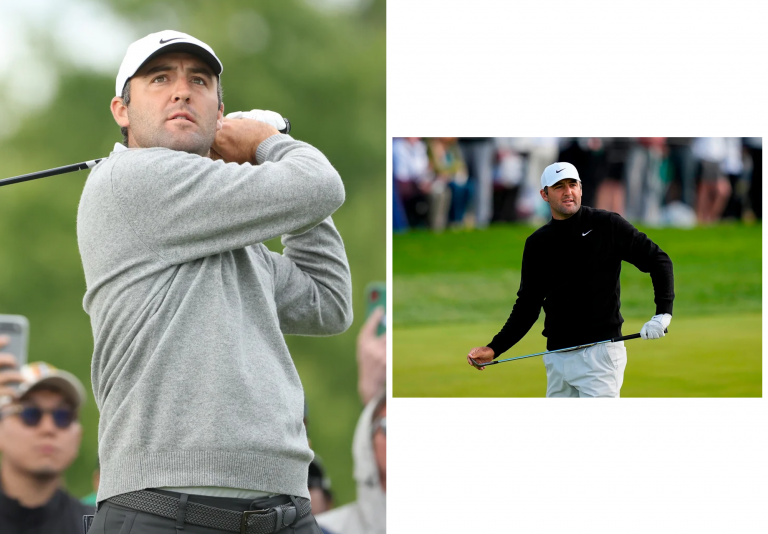
Inside the Stakes of Scottie Scheffler'S Position At The Halfway Point Of The 2026 Pga Championship
Scottie scheffler's position at the halfway point of the 2026 pga championship captures the part of elite sport that a scoreboard alone cannot explain. Tournament golf is built from measurable outcomes—shots, positions, cuts, trophies—but the meaning of a week often comes from less tidy elements: pressure, reputation, crowd behavior, preparation, money, identity, and the relationships that surround a player. Those forces can become especially visible when a major championship or a wider institutional dispute compresses them into a few decisive days. Rather than treating the event as a sequence of isolated moments, it is more revealing to read it as a snapshot of the professional game itself: intensely individual, highly commercial, historically conscious, and still dependent on routines and judgments that happen far from the cameras.
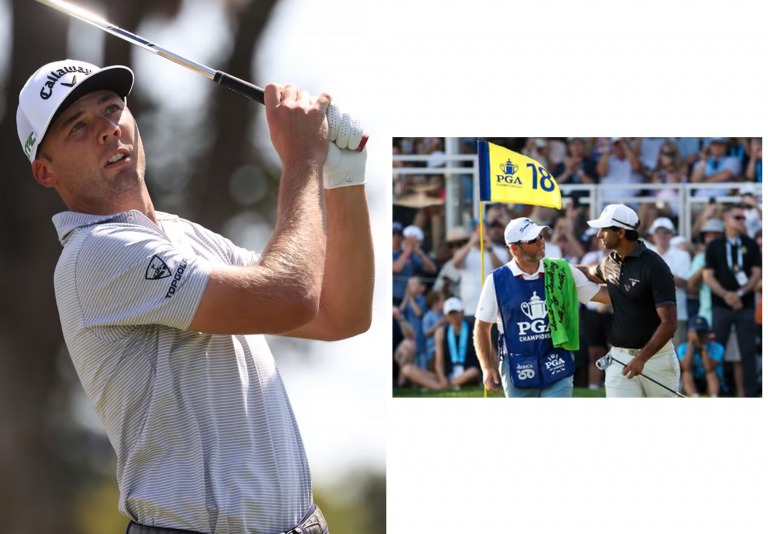
What The Second Round Of The 2026 Pga Championship Reveals About Modern Sport
The second round of the 2026 pga championship captures the part of elite sport that a scoreboard alone cannot explain. Tournament golf is built from measurable outcomes—shots, positions, cuts, trophies—but the meaning of a week often comes from less tidy elements: pressure, reputation, crowd behavior, preparation, money, identity, and the relationships that surround a player. Those forces can become especially visible when a major championship or a wider institutional dispute compresses them into a few decisive days. Rather than treating the event as a sequence of isolated moments, it is more revealing to read it as a snapshot of the professional game itself: intensely individual, highly commercial, historically conscious, and still dependent on routines and judgments that happen far from the cameras.
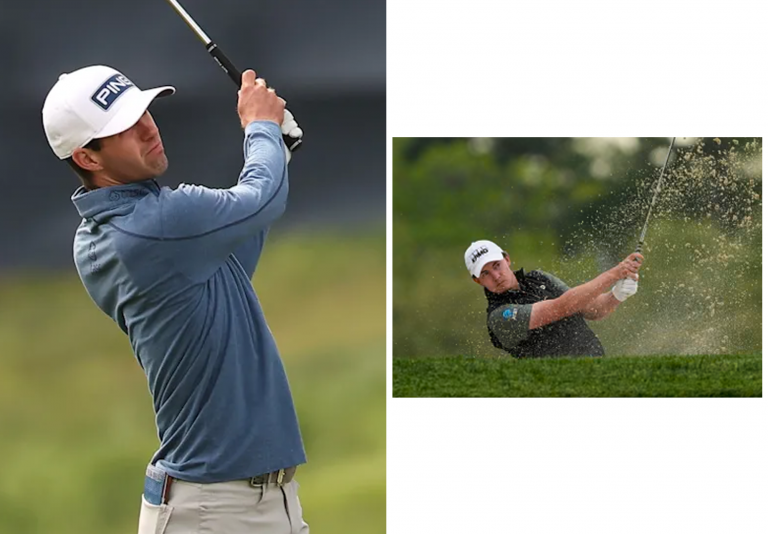
The Pressure and Meaning Inside The Third Round Of The 2026 Pga Championship
The third round of the 2026 pga championship captures the part of elite sport that a scoreboard alone cannot explain. Tournament golf is built from measurable outcomes—shots, positions, cuts, trophies—but the meaning of a week often comes from less tidy elements: pressure, reputation, crowd behavior, preparation, money, identity, and the relationships that surround a player. Those forces can become especially visible when a major championship or a wider institutional dispute compresses them into a few decisive days. Rather than treating the event as a sequence of isolated moments, it is more revealing to read it as a snapshot of the professional game itself: intensely individual, highly commercial, historically conscious, and still dependent on routines and judgments that happen far from the cameras.