Entertainment

Bảng tin

House of the Dragon Tightens the War Around Rhaenyra
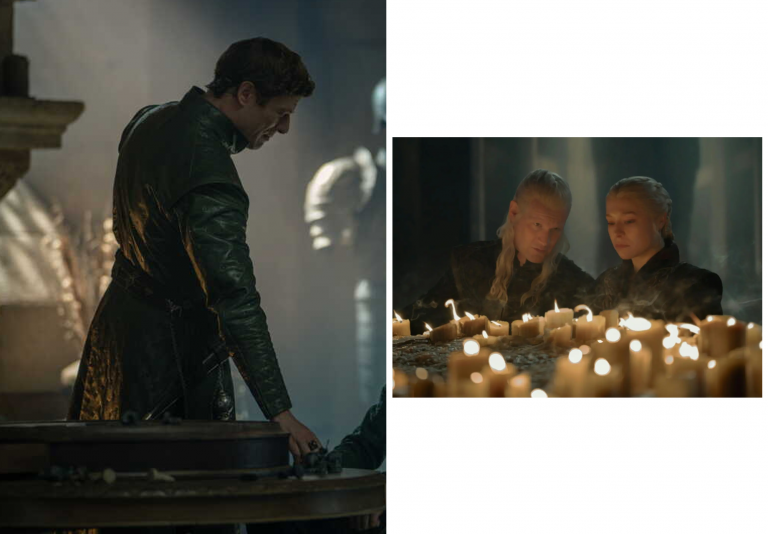
House of the Dragon’s seventh episode pushes Rhaenyra’s claim into a more dangerous phase as conflicts spread across the realm. What gives the moment weight is not novelty alone but the collision of recognizable names with changing expectations around audience expectation, creative identity, and celebrity culture. That makes the subject richer than a headline summary. It invites attention to how decisions are made, how authority is expressed, how audiences participate, and how practical constraints shape the final public image. A careful reading avoids both hype and dismissal. Instead, it stays close to evidence while asking what the development reveals about the wider field. In that balance between fact and interpretation lies the real editorial interest: the chance to understand not only what happened, but why this particular moment has become worth watching now.

Meet the Young Ensemble at the Heart of Sterling Point
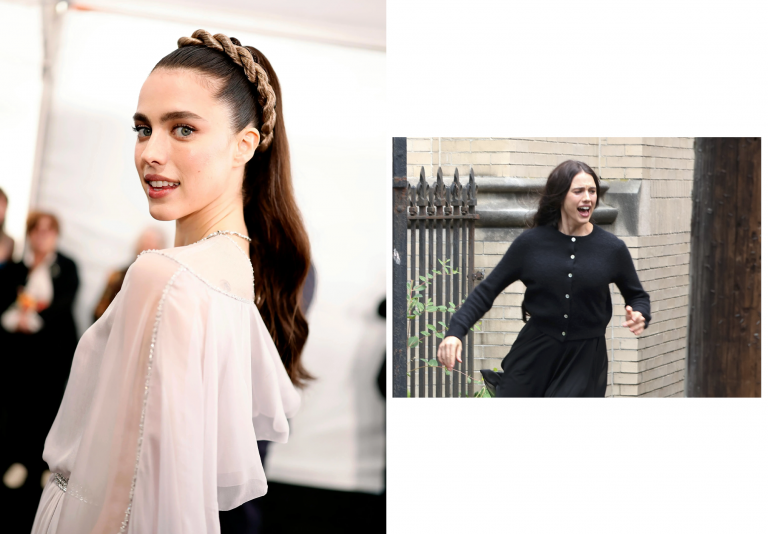
Prime Video’s Sterling Point centers on a young ensemble led by Ella Rubin and Keen Ruffalo. The story is compelling because the concrete details sit inside a larger shift involving performance, audience expectation, and celebrity culture. The point is not to inflate one result, appointment, launch, project, claim, or destination into a grand statement. It is to notice the decisions surrounding it and the expectations those decisions have to meet. That means looking beyond the obvious hook toward process: who is shaping the work, how it reaches the public, what kinds of value are being emphasized, and where tensions remain unresolved. Those questions give the moment proportion and texture, turning a timely development into a clearer view of the culture and systems around it.
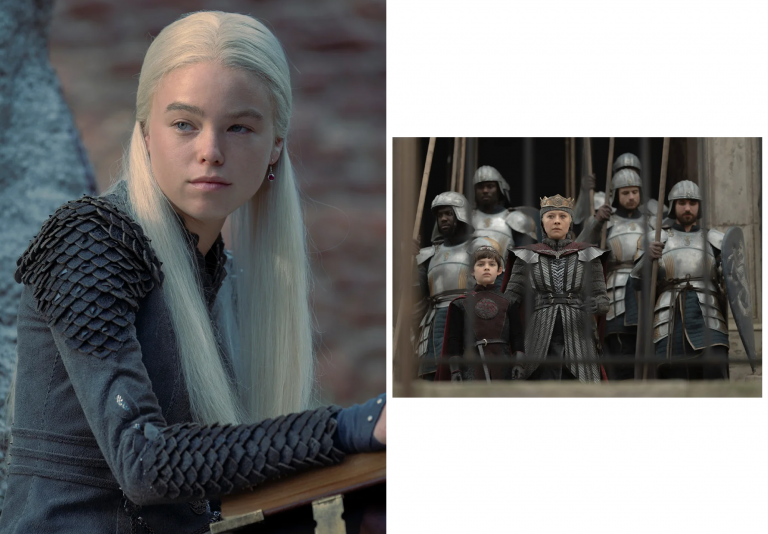
House of the Dragon Ends Season Three in Fire and Fracture
House of the Dragon closed its third season with a finale built around battle, loss, and the fractured struggle for the Iron Throne. That fact pattern opens onto a broader conversation about storytelling, creative identity, and franchise logic. The names and immediate circumstances matter, but so do the systems around them: creative choices, commercial pressures, institutional habits, and the public language used to explain change. Seen in that context, the story becomes more than a conventional update. It shows how a focused development can reveal the direction of a much larger field without pretending that one moment proves an irreversible trend. The most useful reading is therefore attentive rather than breathless, interested in how image and substance interact and in what the subject tells us about the standards by which contemporary work is judged.

Furious Turns the Serial-Killer Thriller Into a Moral Duel
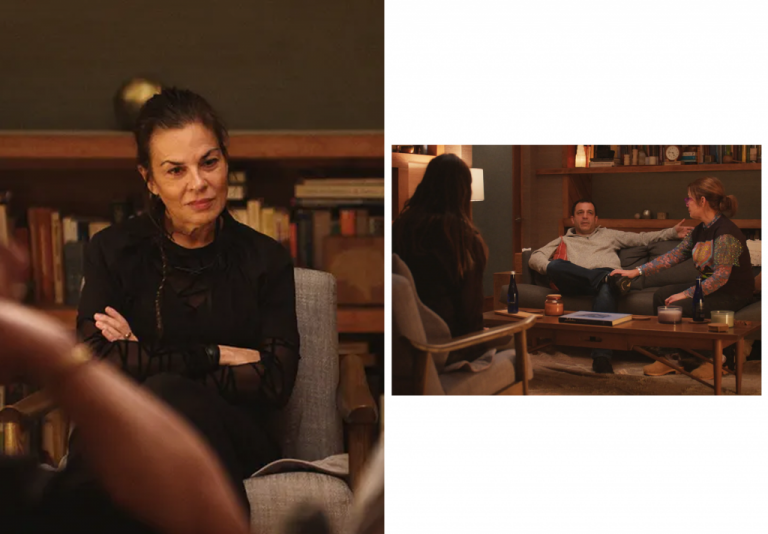
Hulu’s Furious stars Emmy Rossum in a thriller built around an FBI agent pursuing a female serial killer. The immediate development is specific, but its wider interest comes from the way it brings performance, storytelling, and audience expectation into the same frame. Rather than treating the moment as an isolated update, it is more useful to watch the decisions around it: how the work is made, how institutions present it, what audiences notice first, and which details remain meaningful after the initial burst of attention. That approach keeps the story grounded in what is known while allowing the larger cultural pattern to emerge. The result is not a verdict so much as a close reading of process, context, and the expectations now shaping the field.
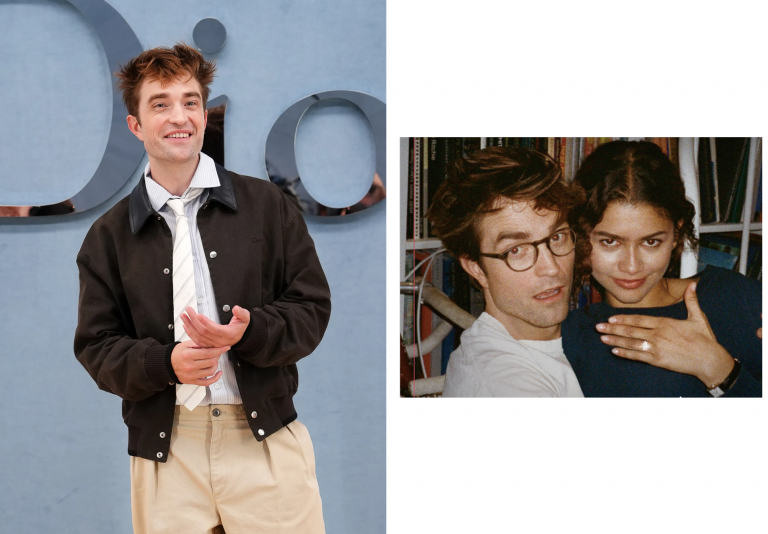
Robert Pattinson’s Restless 2026
Robert Pattinson’s 2026 slate spans Primetime and Dune: Part Three, extending one of the most unpredictable careers in mainstream film. What gives the moment weight is not novelty alone but the collision of recognizable names with changing expectations around audience expectation, creative identity, and celebrity culture. That makes the subject richer than a headline summary. It invites attention to how decisions are made, how authority is expressed, how audiences participate, and how practical constraints shape the final public image. A careful reading avoids both hype and dismissal. Instead, it stays close to evidence while asking what the development reveals about the wider field. In that balance between fact and interpretation lies the real editorial interest: the chance to understand not only what happened, but why this particular moment has become worth watching now.
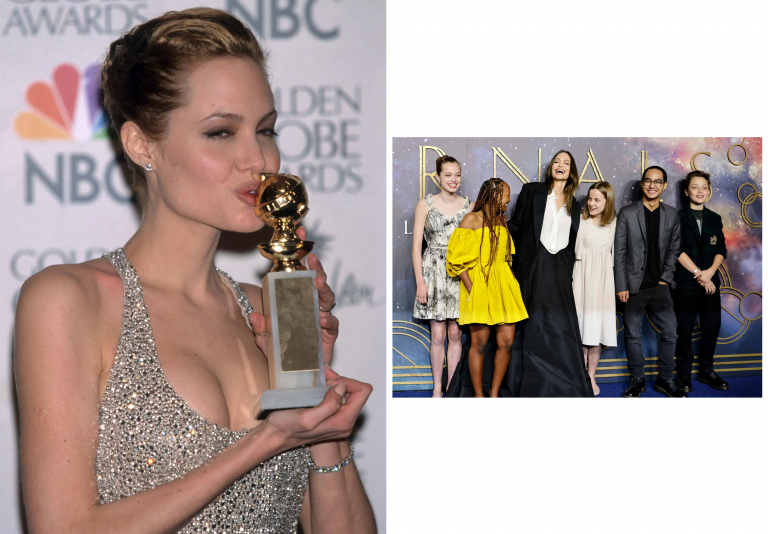
Angelina Jolie’s Screen Life, From Gia to Maria
Angelina Jolie’s filmography stretches from defining 1990s performances such as Gia to recent work including Maria. The story is compelling because the concrete details sit inside a larger shift involving performance, audience expectation, and celebrity culture. The point is not to inflate one result, appointment, launch, project, claim, or destination into a grand statement. It is to notice the decisions surrounding it and the expectations those decisions have to meet. That means looking beyond the obvious hook toward process: who is shaping the work, how it reaches the public, what kinds of value are being emphasized, and where tensions remain unresolved. Those questions give the moment proportion and texture, turning a timely development into a clearer view of the culture and systems around it.
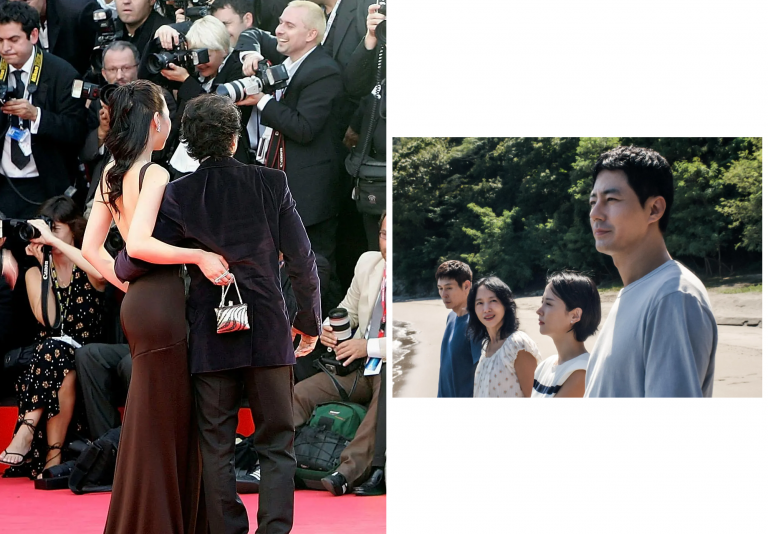
Venice 2026: The Films Turning the Lido Into Cinema’s Center
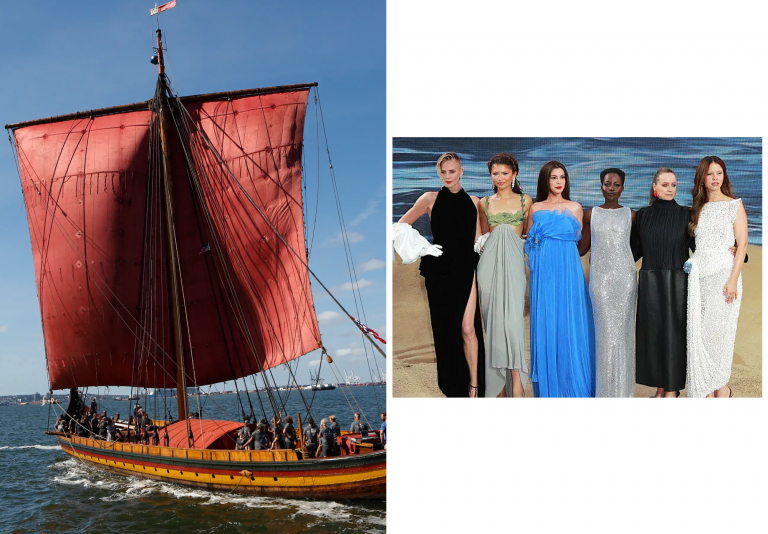
The 2026 Venice Film Festival gathered a new lineup of films, filmmakers, and stars on the Lido. That fact pattern opens onto a broader conversation about storytelling, creative identity, and franchise logic. The names and immediate circumstances matter, but so do the systems around them: creative choices, commercial pressures, institutional habits, and the public language used to explain change. Seen in that context, the story becomes more than a conventional update. It shows how a focused development can reveal the direction of a much larger field without pretending that one moment proves an irreversible trend. The most useful reading is therefore attentive rather than breathless, interested in how image and substance interact and in what the subject tells us about the standards by which contemporary work is judged.
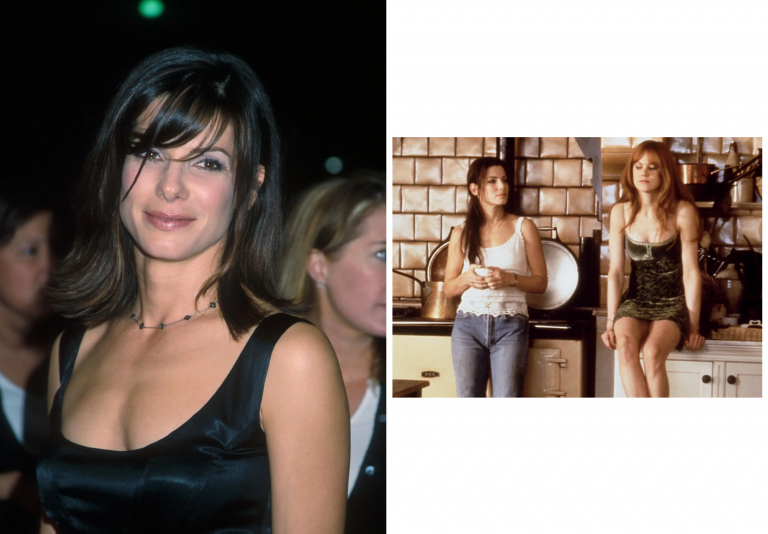
Why Practical Magic Still Has a Spell to Cast
Sandra Bullock and Nicole Kidman return to the world of Practical Magic for a long-awaited sequel. The immediate development is specific, but its wider interest comes from the way it brings performance, storytelling, and audience expectation into the same frame. Rather than treating the moment as an isolated update, it is more useful to watch the decisions around it: how the work is made, how institutions present it, what audiences notice first, and which details remain meaningful after the initial burst of attention. That approach keeps the story grounded in what is known while allowing the larger cultural pattern to emerge. The result is not a verdict so much as a close reading of process, context, and the expectations now shaping the field.
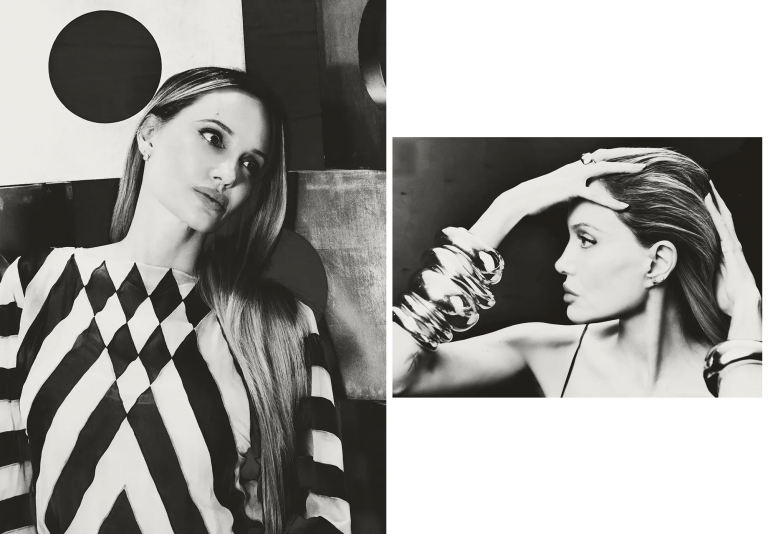
Angelina Jolie on Motherhood, Making Art, and Life Beyond Borders
Angelina Jolie’s current creative chapter brings her children, Without Blood, and Atelier Jolie into the same conversation about work and identity. What gives the moment weight is not novelty alone but the collision of recognizable names with changing expectations around audience expectation, creative identity, and celebrity culture. That makes the subject richer than a headline summary. It invites attention to how decisions are made, how authority is expressed, how audiences participate, and how practical constraints shape the final public image. A careful reading avoids both hype and dismissal. Instead, it stays close to evidence while asking what the development reveals about the wider field. In that balance between fact and interpretation lies the real editorial interest: the chance to understand not only what happened, but why this particular moment has become worth watching now.
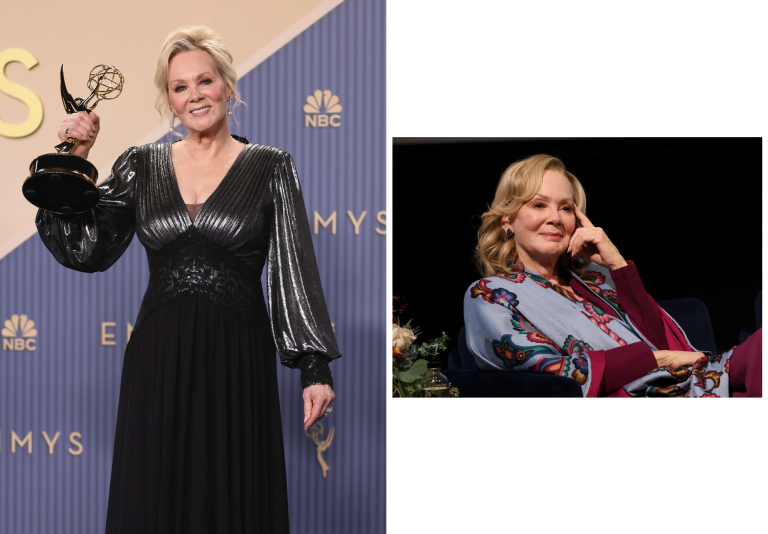
The 2026 Emmys and Television’s New Balance of Power
The 2026 Emmy conversation turns on the year’s winners, nominees, notable snubs, records, and speeches. The story is compelling because the concrete details sit inside a larger shift involving performance, audience expectation, and celebrity culture. The point is not to inflate one result, appointment, launch, project, claim, or destination into a grand statement. It is to notice the decisions surrounding it and the expectations those decisions have to meet. That means looking beyond the obvious hook toward process: who is shaping the work, how it reaches the public, what kinds of value are being emphasized, and where tensions remain unresolved. Those questions give the moment proportion and texture, turning a timely development into a clearer view of the culture and systems around it.